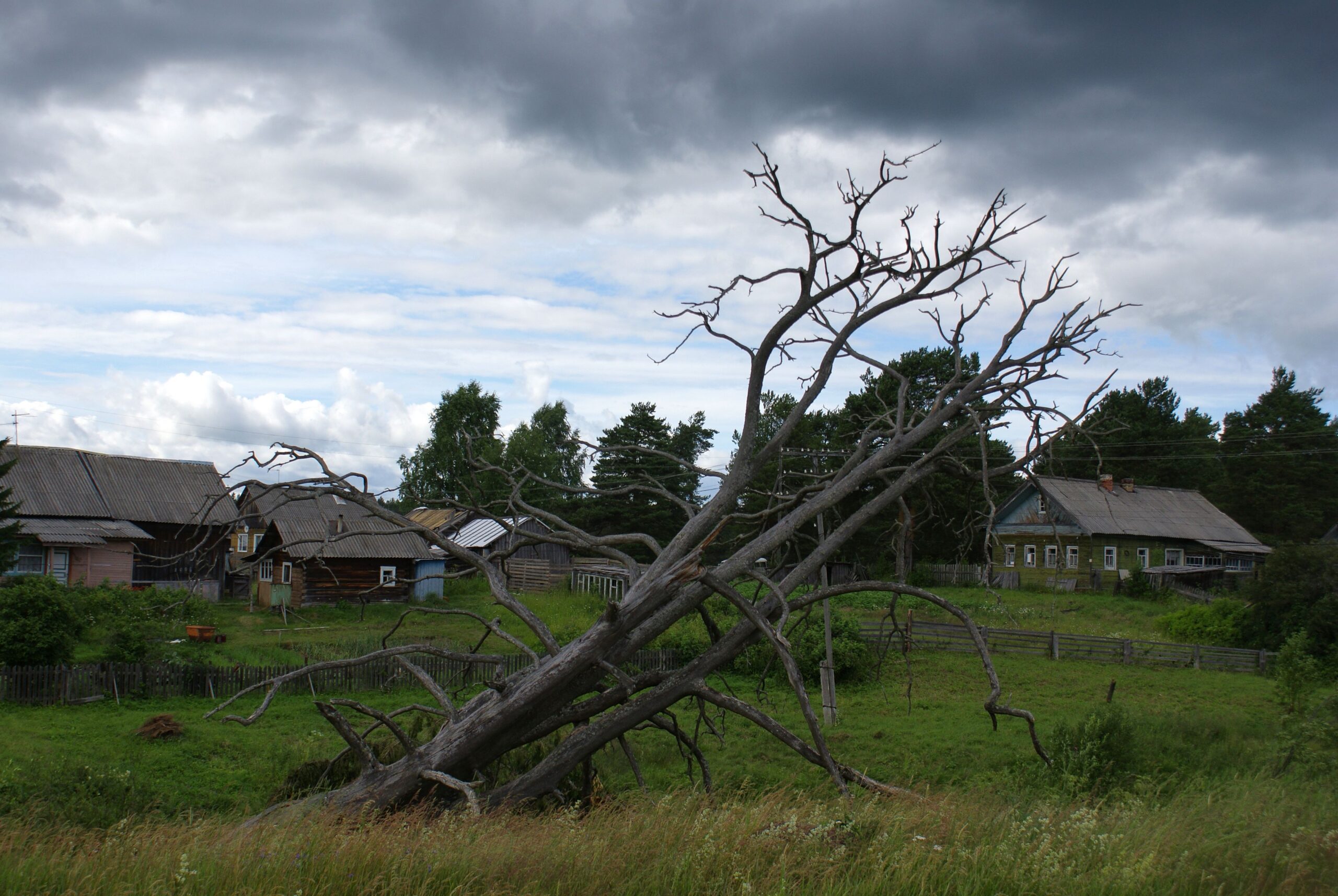
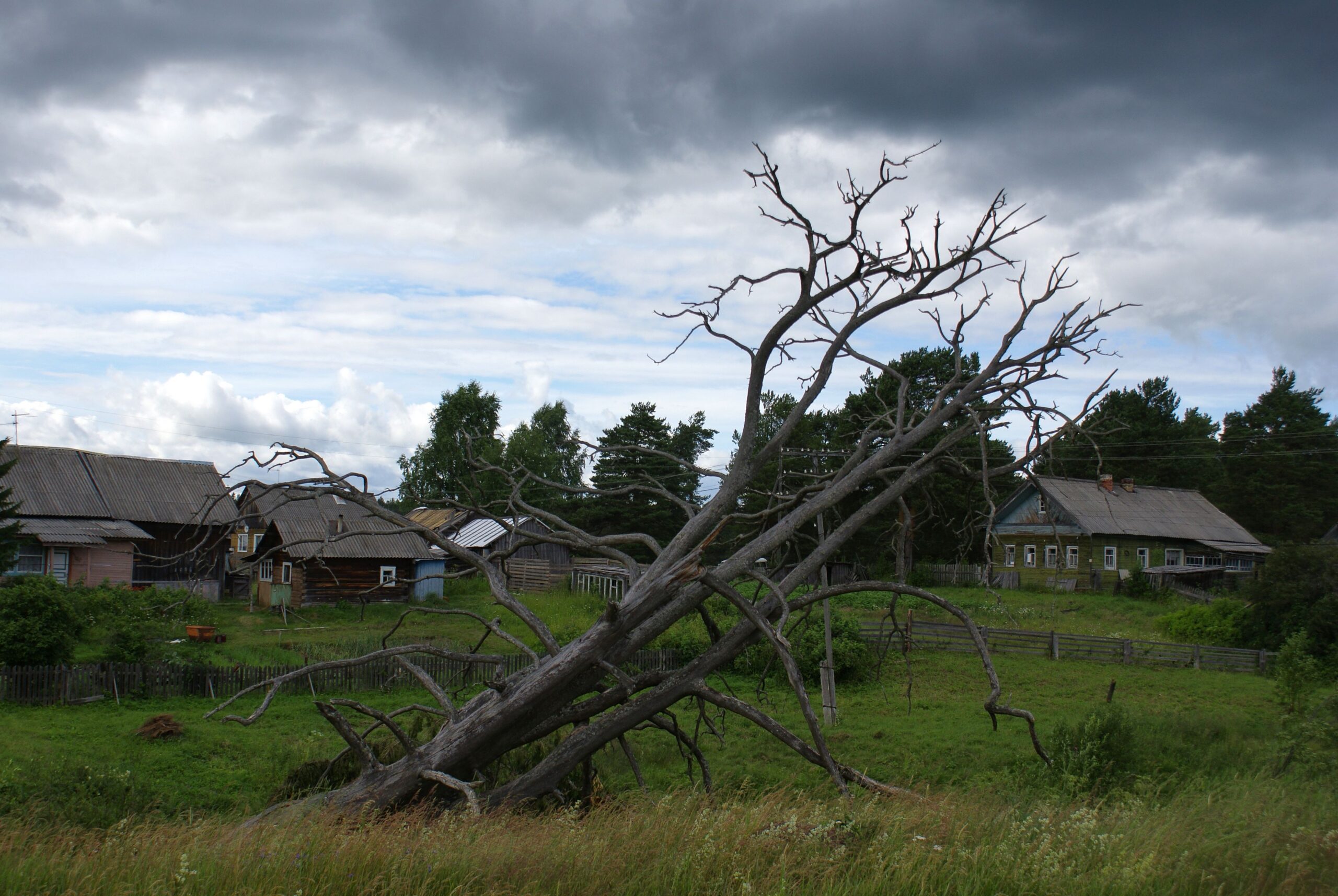
A dead tree in your yard does not stay a dead tree for long. It becomes a hazard. The wood weakens from the inside out, often faster than it looks from the street, and one bad storm or a single gust at the wrong angle can bring it down on a fence, a roof, a car, or worse. Ignoring a dead tree is one of those decisions that feels fine right up until it is not.
According to the Tree Care Industry Association, wind and falling trees cause billions of dollars in property damage across the United States every year, and a large share of those incidents involve trees that were already dead or in serious decline. The risk is real, and it grows the longer a dead tree stands.
This article explains what actually happens when a dead tree is left in place, the specific risks it creates for homeowners and commercial property owners, and how to know when removal is the right call. If you are in the Chattanooga area, including communities like Lookout Mountain, Signal Mountain, Ooltewah, or Soddy Daisy, Urban Tree Inc. has been handling situations exactly like this since 2013.
What Does a Dead Tree Actually Do to a Property?
A dead tree stops drawing water and nutrients from the soil, which means it stops producing the chemicals that keep wood flexible and resistant to decay. Without that internal reinforcement, the wood begins to dry out and crack. Fungi and insects move in quickly. Carpenter ants, wood-boring beetles, and termites treat a dead tree like an open invitation, and once they are established in a dead tree near your home, the distance between that tree and your foundation or siding shrinks fast.
The decay process is not visible from the outside at first. A tree can look structurally sound for a year or two after it dies while the interior wood softens and the root system loses its grip. That is the part that catches most homeowners off guard. The tree looks stable, so they assume it is stable. That assumption can cost thousands of dollars in property damage, or worse.
What Are the Most Serious Risks of Leaving a Dead Tree in Place?
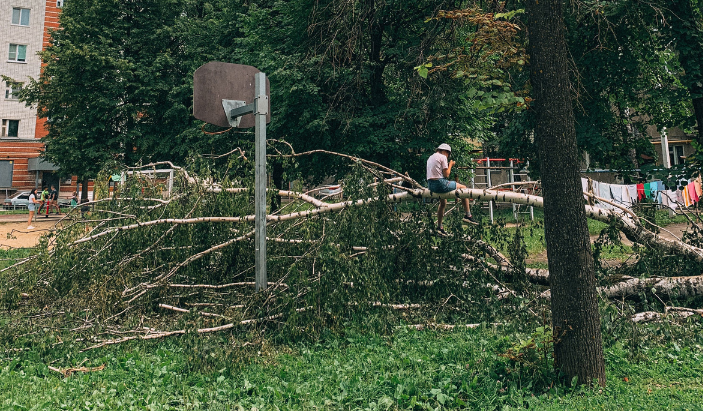
Falling is the most obvious risk. Dead trees fall without warning, and they do not fall gently. A mature dead oak or maple coming down on a roof can cause structural damage running into tens of thousands of dollars in repairs. A tree falling on a fence is a minor inconvenience by comparison, but it still creates a liability issue if that tree comes down on a neighbor’s property.
Liability is a separate and serious concern. In most states, including Tennessee, a property owner who knew or should have known that a tree was dead or hazardous can be held responsible for damage it causes to neighboring properties. Ignoring a dead tree is not a legal defense. Documenting that you were aware of it and took no action is exactly the kind of paper trail that does not help you in a claim.
Pest spread is the third major concern. Dead trees attract insects that eventually look for new food sources. If your dead tree sits within 20 to 30 feet of your home, a well-established colony of wood-boring insects has a very short commute. Termite infestations that originate in a dead tree and spread to a structure are expensive to treat and even more expensive to repair after the damage is done.
How Fast Does a Dead Tree Become Dangerous?
The timeline depends on the species, the size of the tree, and environmental conditions. Softer wood species like silver maple or willow can deteriorate in as little as one to two years after death. Harder species like oak or hickory may hold structural integrity for three to five years, but that is not a guarantee. A tree weakened by drought, disease, or root damage can fail much faster. In Chattanooga and the surrounding areas, where summer storms bring high winds and heavy rain with little warning, the risk of sudden failure is higher than in drier, calmer climates.
How Do You Know a Tree Is Dead and Not Just Dormant?
This is one of the most common questions homeowners ask, and it is a fair one. A deciduous tree in winter looks lifeless dead or dormant. There are a few reliable ways to tell the difference.
The scratch test is the simplest method. Use a fingernail or a small knife to scratch a section of bark on a younger branch. If the layer underneath is green or white and slightly moist, the tree is alive. If it is brown, dry, and brittle, that branch is dead. Test several branches at different heights to get an accurate picture, since a tree can have significant die-off in the crown while still being partially alive lower down.
Other signs of a dead or dying tree include bark that peels away easily or falls off in large sections, an absence of buds in spring when surrounding trees are leafing out, a hollow or soft section at the base of the trunk, and fungal growth like mushrooms or bracket fungi at the base or along the trunk. Any one of these signs warrants a closer look from a professional.
Does Homeowner’s Insurance Cover Damage from a Dead Tree?
Insurance coverage for tree-related damage varies by policy and by circumstance. In general, if a healthy tree falls due to a storm and damages a covered structure, most standard homeowner’s policies cover the damage to the structure, though they do not cover the cost of removing the tree itself. Dead trees are a different situation.
Many insurance policies include exclusions for damage caused by neglect. If a dead tree falls and damages your home, and there is evidence the tree was visibly dead or diseased before it fell, your insurance company may deny the claim or reduce the payout. The same logic applies if the dead tree falls onto your neighbor’s property. Their claim against your policy is far stronger if you had prior knowledge of the hazard and took no action.
Getting a dead tree removed before something happens is, in financial terms, almost always cheaper than dealing with the aftermath.
When Should You Call a Professional for Dead Tree Removal?
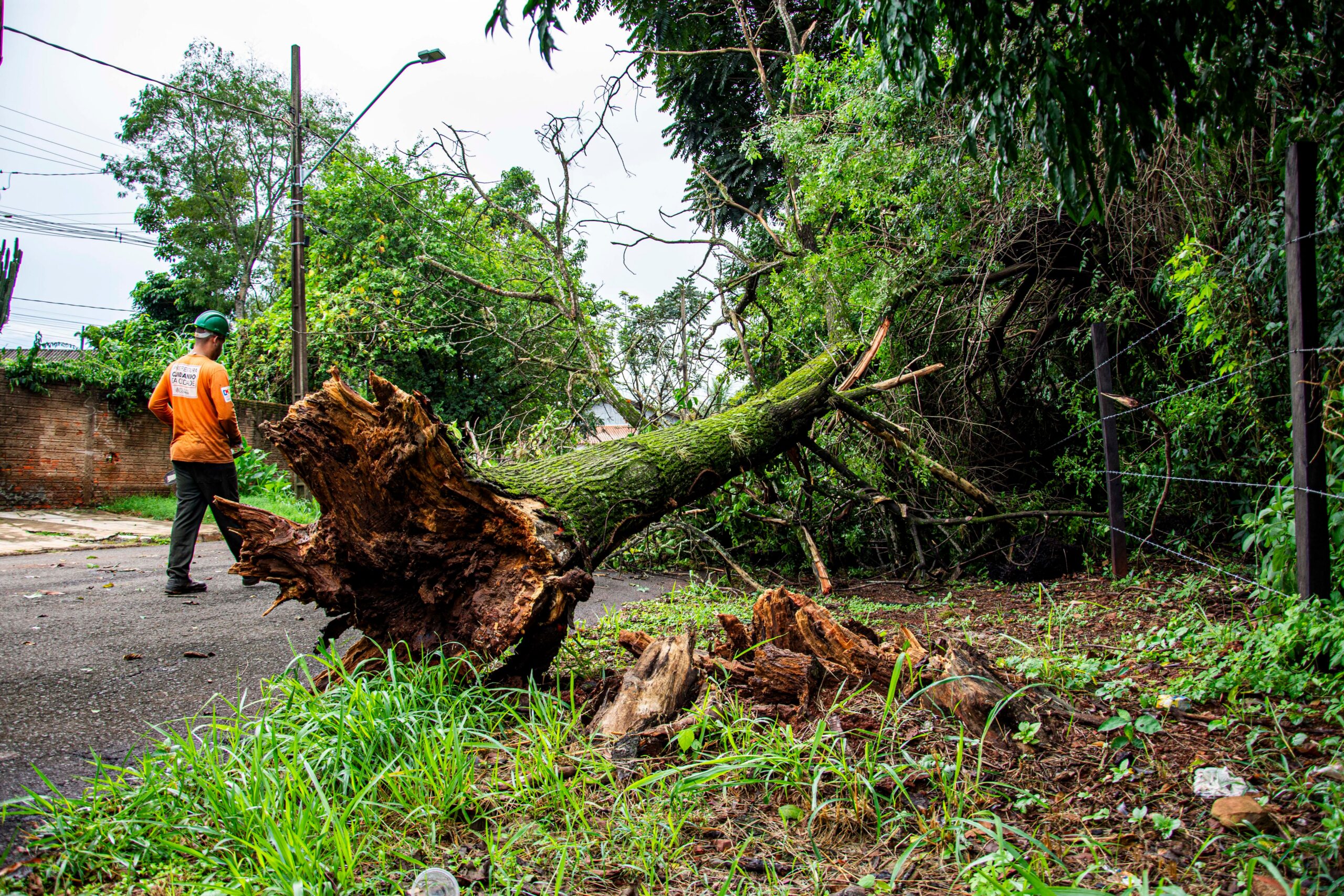
As soon as you confirm the tree is dead, especially if it sits within striking distance of any structure, vehicle, power line, or area where people walk. Dead tree removal is not a weekend project with a chainsaw. The unpredictable nature of rotted wood means that a cut that would behave normally in a live tree can cause a dead tree to split, kick back, or fall in an unexpected direction.
Professional tree removal crews are trained to assess how a dead tree will fall, where the structural failure points are, and how to bring the tree down safely in sections when needed. For trees near structures, that sectional removal approach is often the only safe option. Urban Tree Inc. handles dead tree removal for both residential and commercial properties across the greater Chattanooga region, with a 55-person team equipped for jobs of any size.
What About the Stump After Removal?
Once a dead tree is removed, the stump left behind is more than an eyesore. A rotting stump continues to attract the same insects and fungi that made the dead tree a problem in the first place. It also creates a tripping hazard and can complicate lawn care. Stump grinding removes the stump below ground level, eliminating the habitat for pests and allowing the area to be replanted or sodded over. Urban Tree Inc. pairs stump grinding with most of its tree removal jobs for exactly this reason.
What Steps Should a Chattanooga Homeowner Take Right Now?
Start by walking your property and looking at every tree with a critical eye. Pay particular attention to trees within falling distance of your home, garage, fence line, or driveway. Look for missing bark, fungal growth, dead branches concentrated at the top of the canopy (called crown dieback), and any lean that was not present a year ago.
If you spot anything concerning, do not wait for the next storm to make the decision for you. Contact a licensed tree care company for an assessment. A professional can tell you quickly whether a tree is dead, dying, or structurally compromised, and what the right course of action is. In some cases, a tree that looks bad may still be salvageable with proper plant healthcare treatment. In others, removal is the clear answer.
Urban Tree Inc. serves Chattanooga, Lookout Mountain, Signal Mountain, Ooltewah, Collegedale, Soddy Daisy, and all communities within a 70-mile radius of downtown Chattanooga. Reach the team at (423) 322-9236 or visit geturbantree.com to request a quote.
Frequently Asked Questions About Dead Trees
Can a dead tree come back to life?
No. Once a tree is fully dead, it cannot be revived. A tree that is stressed, diseased, or partially dead may respond to treatment, but a tree that has lost all viable tissue throughout its root system, trunk, and branches has no path back. If you are unsure which category your tree falls into, a professional assessment will give you a clear answer.
How much does dead tree removal cost in Chattanooga?
Cost depends on the size of the tree, its location, and how much access the crew has to work safely. A small dead tree in an open yard costs far less to remove than a large tree overhanging a structure that requires sectional removal. The best way to get an accurate number is to request an on-site quote. Urban Tree Inc. provides estimates for properties throughout the Chattanooga region.
Is it illegal to leave a dead tree on your property?
There is no universal law requiring homeowners to remove dead trees, but local ordinances vary. Some municipalities and HOAs have specific rules about hazardous trees. Beyond ordinances, property owners in Tennessee can face civil liability for damage caused by a known hazard they failed to address. Check with your local code enforcement office if you are unsure what applies to your property.
How long does it take for a dead tree to fall on its own?
There is no reliable way to predict when a dead tree will fall. Some stand for years; others come down in the first major storm after dying. The speed of deterioration depends on species, size, moisture conditions, and whether the tree has insect or fungal activity accelerating the decay. The unpredictability is exactly why waiting is a risky strategy.
What is the difference between a dead tree and a hazard tree?
A dead tree is one that has no living tissue remaining. A hazard tree is any tree, dead or alive, that poses a risk of failure due to structural defects, disease, root damage, or proximity to targets like buildings and power lines. A tree can be a hazard tree while still showing green leaves if it has significant structural problems. Both types warrant professional evaluation.
Does Urban Tree Inc. handle emergency tree removal?
Yes. Urban Tree Inc. is equipped to respond to storm damage and emergency situations across the greater Chattanooga area. The 55-person team has the equipment and capacity to handle urgent jobs quickly. Call (423) 322-9236 for immediate assistance.
The Bottom Line on Dead Trees
A dead tree left standing is a problem that does not improve with time. The wood weakens, pest activity grows, and the risk of failure increases with every season. Property owners who address dead trees promptly protect their homes, their neighbors, and their finances. Those who wait hand control of the situation over to the next storm.
Urban Tree Inc. has been trusted by homeowners and commercial property managers across Chattanooga since 2013. The team handles everything from a single backyard tree to large commercial properties with multiple hazardous trees. Reach out at (423) 322-9236 or visit geturbantree.com to schedule your assessment.