
 Company
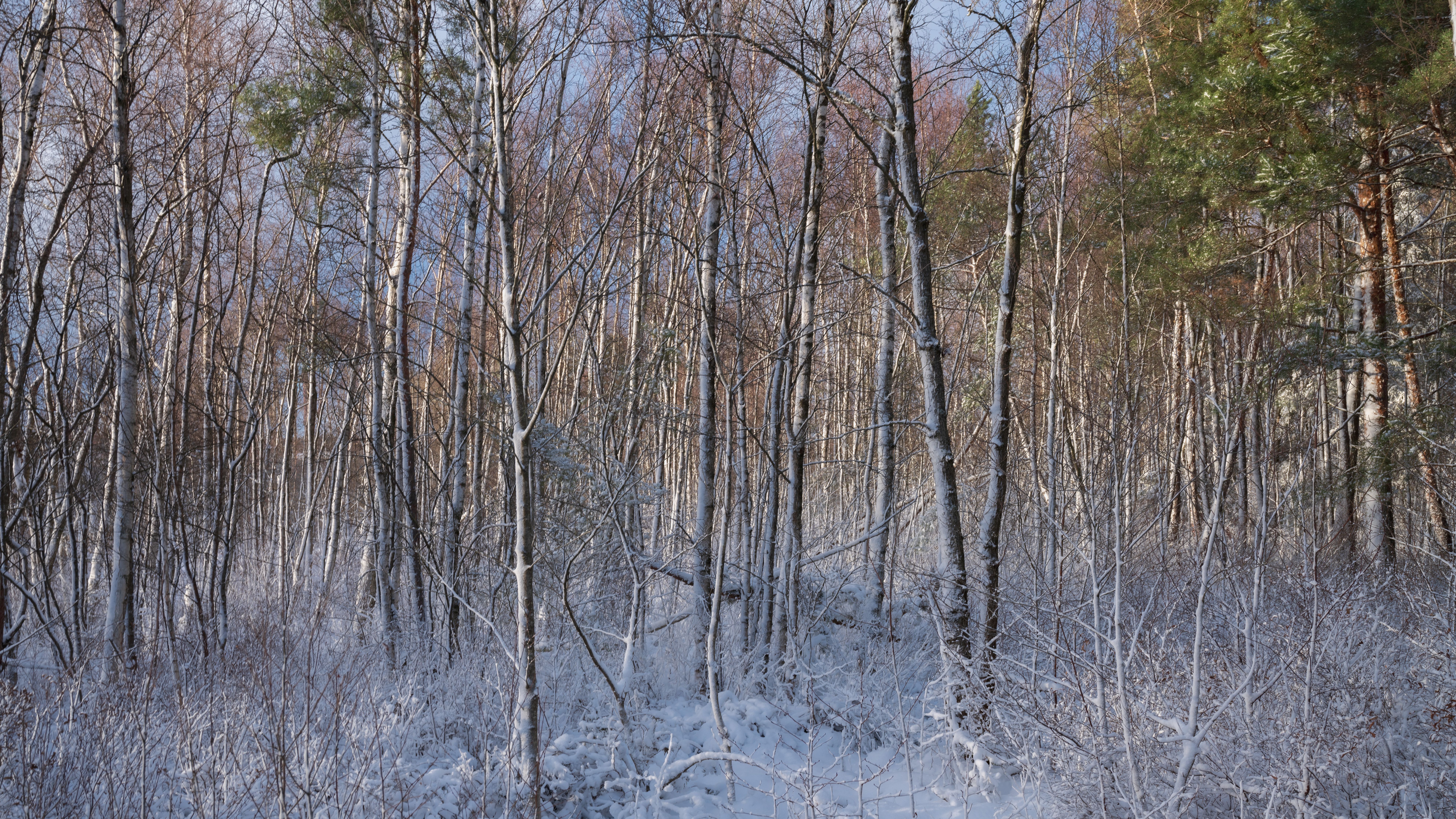
The leaves are down, the mornings are cold, and your trees look finished for the year. They are not. Dormant does not mean idle, and what you do in November has a lot to do with how those trees look in April.
Good winter tree care in Chattanooga is mostly simple work done at the right time. Our winters are mild compared to the Midwest, but freeze-and-thaw swings, saturated clay soil, and the occasional ice storm still put real stress on trees. Below is the same checklist our certified arborists walk through with homeowners every fall.
Why Does Winter Tree Care Matter in Chattanooga?
Trees keep working through the cold months. Roots stay active whenever the soil is above freezing, and the tree lives off stored energy while it waits for spring. Anything that drains that reserve, such as a dry fall, root injury, or a damaged crown, tends to show up later as thin leaf-out or dead branches in July.
Our region adds its own wrinkles. Winter here is not one long freeze. Temperatures swing above and below freezing, and that cycle can crack the bark of young trees and heave newly planted root balls. Ice is the other concern. Even a modest glaze adds a surprising amount of weight to a limb, and a branch with a weak union, an old wound, or heavy end weight is the first to go.
University of Tennessee Extension makes the same point. Lee Rumble, an extension agent and ISA Certified Arborist, lists cracked and broken limbs from snow and ice buildup among the most common winter injuries. He also stresses that newly planted trees need good root-to-soil contact before the hardest freezes arrive, and he cautions that a moisture shortfall in winter may not show up until the hottest months of the year.
That is what winter tree care is really about. It reduces the risks before they become broken limbs or declining trees.
What Should Winter Tree Care Include?
Start with these seven steps. Most take an afternoon, and none require special equipment.
1. Walk the Property and Look Up
Winter tree care starts with a good look. With the leaves gone, the structure of each tree is easy to read. Walk around every tree and look for dead or hanging branches, cracks, cavities, fungal growth on the trunk, and limbs that cross or rub against each other.
Take photos as you go. Notes like these make winter tree care easier to track from year to year. If something looks worse in spring, you will have a record to compare, and an arborist will have a better picture of how fast the problem is moving.
2. Should You Water Trees Before Winter?
Yes, if fall has been dry. Watering is the part of winter tree care most people forget. Going into winter with dry soil is one of the most overlooked causes of spring decline. Newly planted trees and evergreens are most at risk, because evergreens keep losing moisture through their needles all winter.
Water slowly and deeply on days when the ground is not frozen, and only when rain has been scarce. Dormant hardwoods usually need just a couple of deep soakings a month. Evergreens may need more. Established trees in a normal winter rarely need help.
3. Check Your Mulch Before the Cold Arrives
Mulch is the easiest winter tree care upgrade most yards need. A fresh layer insulates roots against temperature swings and slows moisture loss. Keep it two to four inches deep, spread toward the dripline, and pulled back from the trunk.
Mulch piled against the bark holds moisture on the trunk and invites rot, which is why a mulch volcano does more harm than good.
4. Protect Young and Thin-Barked Trees
Young trees and thin-barked species such as maple, cherry, crabapple, and linden are prone to sunscald. On a cold, clear afternoon the sun warms the south and west side of the trunk. After sunset the temperature drops fast, and the bark can split.
This kind of winter tree care matters most for trees planted in the last few years. Wrapping the trunks of newly planted trees with tree-wrap paper from fall through early spring prevents most of this damage. Plan on doing it for the first couple of winters, and take the wrap off in spring so it does not trap moisture against the bark.
5. Prune Hazards, Not Everything
Pruning is part of winter tree care, but not all of it needs to happen now. Dead, hanging, and broken branches should come out now, especially anything over a roof, driveway, or play area. Structural work can wait for late winter, when the tree is fully dormant and its framework is easy to see.
Avoid anyone who offers to top a tree. Topping leaves large wounds that decay, and the weak shoots that regrow are far more likely to fail. Proper tree and shrub pruning removes only what the tree needs removed and follows ISA standards.
6. Skip the Late Fertilizer and Test the Soil Instead
Fertilizer is one place where winter tree care often goes wrong. Heavy nitrogen applied late in the season can push tender growth that the first hard freeze will burn. A soil test tells us what a tree is actually missing, so we feed only what the soil lacks. That is the approach behind our plant health care and soil management work.
7. Make a Storm Plan
A storm plan is the last piece of winter tree care. Know which trees sit over your house, driveway, or service lines, and identify the ones that worry you before the ice arrives. After a storm, stay clear of downed lines, do not climb or cut hanging limbs yourself, and call a professional.
If a tree has already been damaged, our guide on whether a split tree can be saved explains what we check first. For urgent situations, our emergency tree service team can help.
Is Winter a Good Time to Prune Trees?
For most deciduous trees, yes, and it is a normal part of winter tree care. Dormant-season pruning lets us see the branching structure clearly, and the tree is under less stress while it is not growing. Late winter, just before buds swell, is the best window for structural pruning.
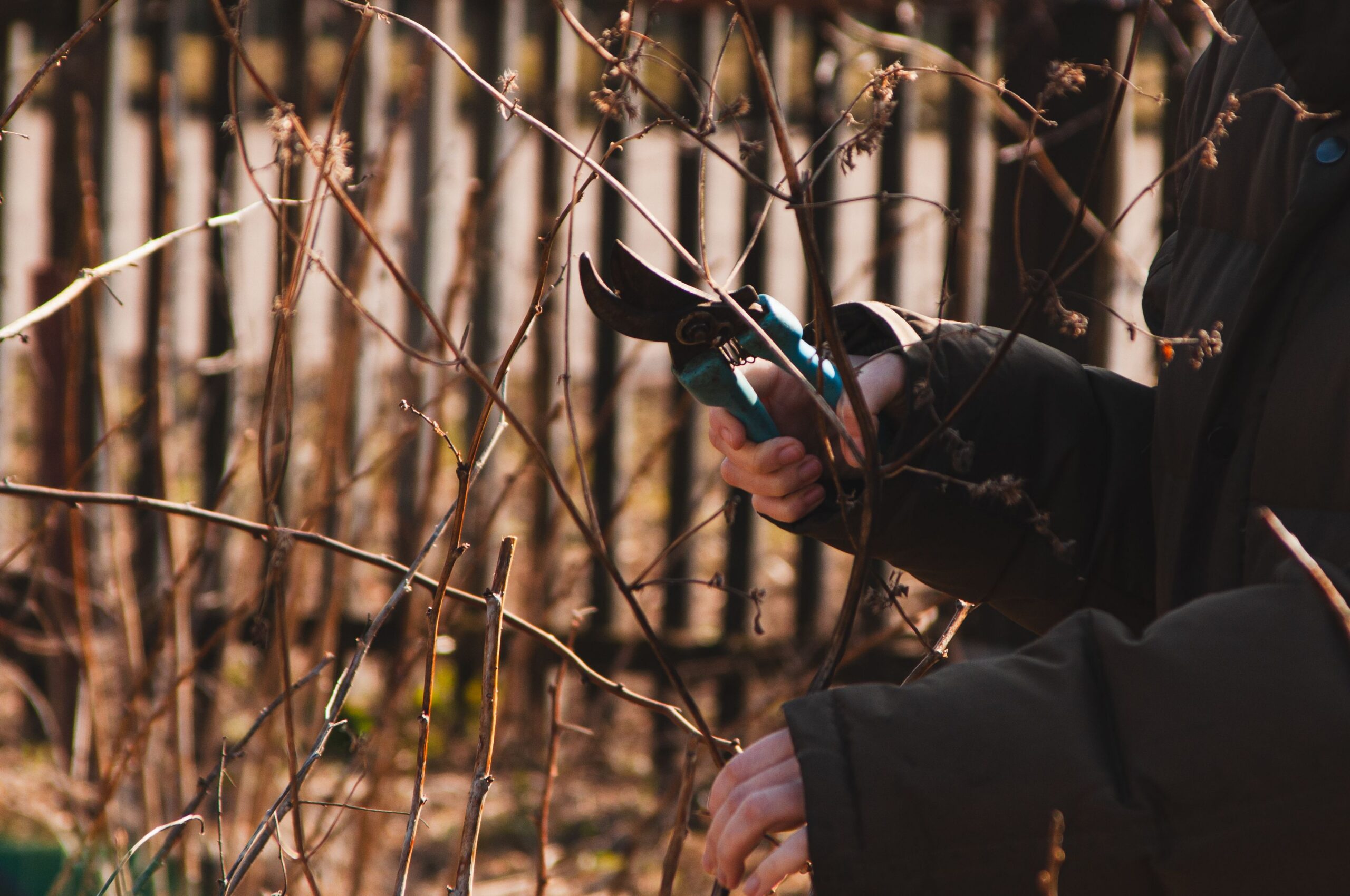
Timing still depends on the species. Oaks and elms are best pruned while dormant, since the insects that spread oak wilt and Dutch elm disease are less active in cold weather. Spring bloomers such as redbud and dogwood are different. Prune them in winter and you remove the flower buds, so they are better pruned right after they bloom.
If you are not sure what your tree needs, ask before you cut. A wrong cut cannot be undone.
How Do Arborists Check a Tree Before Winter Storms?
Winter tree care for a property with large trees should include a look at risk. A tree risk assessment answers three questions. How likely is the tree to fail? What is it likely to hit? And how serious would the damage be? A tree that looks healthy from the driveway can still have decay inside, so we work from the roots up.
- The root flare and soil, including heaving, cracks, or fungal growth near the base
- The trunk and branch unions, looking for included bark, cavities, and old wounds
- The crown, including deadwood, dieback, and end-heavy limbs
- The site, including nearby structures, targets, and overhead lines
A tree with a problem is not always a tree that has to come down. In many cases targeted pruning, cabling, or soil work reduces the risk and keeps a valuable tree in place. When removal is the safest option, we will tell you plainly and explain why. You can read more about that on our tree removal page.
What Winter Tree Care Mistakes Should You Avoid?
The most common winter tree care mistakes we see are easy to avoid:
- Piling mulch against the trunk instead of spreading it out toward the dripline
- Topping a tree or removing more than a quarter of the canopy in one visit
- Spreading rock salt or de-icer over the root zone of a tree
- Leaving trunk wrap on all year, which traps moisture against the bark
- Waiting until spring to look at a tree that was damaged in a storm
Each of these winter tree care errors is cheap to prevent and expensive to repair.
When Should You Call a Professional for Winter Tree Care?
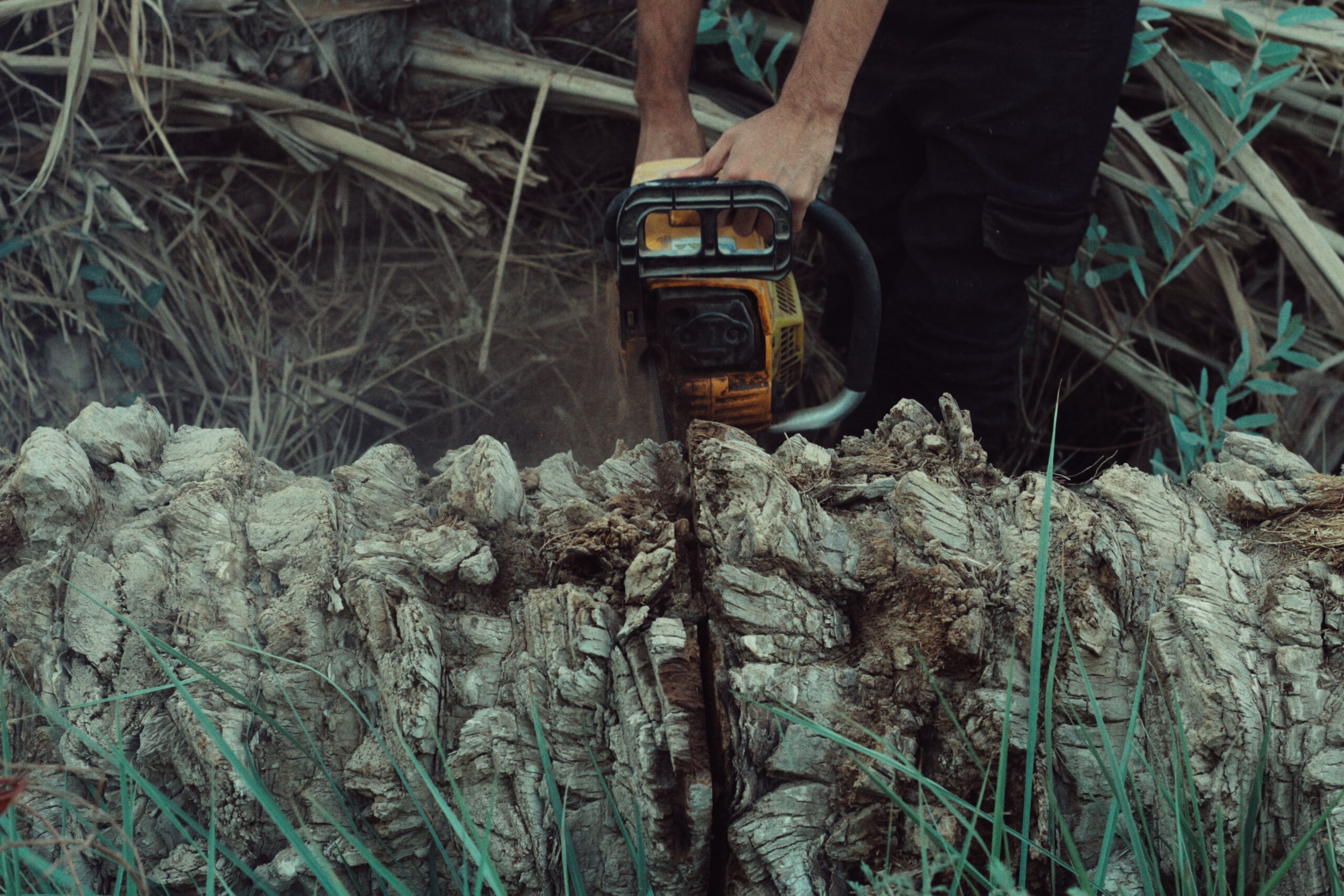
Most of the steps above are manageable on your own, and an annual inspection is a smart addition to your winter tree care routine. Call an arborist when you see any of the following:
- Dead or hanging branches over a house, driveway, or walkway
- Cracks, splits, or new cavities in the trunk or major limbs
- A tree that has started to lean or a root plate that has lifted
- Large pruning jobs that require climbing or a chainsaw
- Trees growing near power lines
- Any damage after an ice or wind event
Early attention is almost always cheaper and safer than a storm-night emergency. Our fall tree services article explains why this is a good season to get work on the calendar.
Get Your Trees Ready Before the Cold Sets In
Winter tree care does not have to be complicated. A careful walk-through, a deep watering if fall has been dry, tidy mulch, and a plan for storm season will carry most trees through to spring in good shape.
If you would like a certified arborist to look at your trees, schedule a free estimate with Urban Tree. We serve Chattanooga, Signal Mountain, Lookout Mountain, Hixson, Ooltewah, and communities within about 70 miles. You can also learn more about Urban Tree and the arborists behind the work.