 Company
You step outside after a storm and see it: a crack running down the trunk, or a large limb pulling away at the fork. A split tree is alarming, and the first question is almost always the same. Can it be saved?
Sometimes it can. Plenty of trees live for decades after a split is properly supported. Others are one strong gust from failing, and a crack that looks minor from the ground tells a very different story once an arborist is standing next to it.
This guide explains how arborists evaluate a split tree, which splits respond to treatment, which ones don’t, and what to do while you wait for a professional.
What Is a Split Tree, Exactly?
The term covers several different problems, and the type of split matters more than its size. Arborists in the Chattanooga area see four patterns of split tree most often:
- Split at the union. Two or more main stems of similar size fork from the trunk and pull apart at the V. This is the most common type.
- Cracked limb attachment. A large branch tears away from the trunk or a parent limb, often under wind or a heavy load of ice or wet leaves.
- Vertical trunk crack. A seam opens along the trunk, sometimes from lightning, sometimes from winter temperature swings or an old wound.
- Decay-related split. Rot inside the trunk weakens the wood until it opens along a line of old damage.
Each pattern carries a different level of risk and a different set of options.
Why Do Trees Split?
Most splits begin years before the crack shows. A split tree builds its weak points as it grows, and a storm simply exposes them.
- Codominant stems with included bark. When two stems of equal size grow tightly together, bark gets trapped between them instead of wood. The union never forms a strong bond.
- Heavy, overextended limbs. Long limbs with most of their weight at the tip act like levers on the point where they attach.
- Storm loading. Wind, ice, and saturated soil put sudden stress on any structural defect.
- Poor past pruning. Topping and flush cuts create weak regrowth and give decay a way in.
- Species tendencies. Bradford pear, silver maple, and other fast-growing trees are known for weak unions.
The University of Florida’s IFAS horticulture program points out that a bark inclusion is, in effect, a crack hidden inside the tree, and that it is a common starting point for trunk cracks. In other words, a split tree has often been cracking for years before a homeowner notices it.
Which Trees Are Most Likely to Split in East Tennessee?
Any tree can split, but some are repeat offenders. Bradford pears form tight, narrow branch angles that give way as the tree matures. Silver maples grow fast and produce brittle wood. Red maples, elms, and some oaks regularly develop codominant stems that need attention.
Can a Split Tree Be Saved? How Arborists Decide
The honest answer depends on four things.
Where the Split Is
A split in one limb is very different from a split in the main trunk. Limb splits are often manageable. A crack that runs toward the base of the trunk, or through the union of the main stems, raises the stakes considerably.
How Deep and Wide the Crack Is
A tight, shallow seam is a different situation from a gap you can slide your fingers into. Arborists check how far the crack extends, whether it passes all the way through the wood, and whether it is still opening.
Whether Anything Is Moving
A split tree that shifts in the wind, or shows fresh torn fibers or loose bark along the edge of the crack, is actively failing. Movement means the wood is no longer carrying its share of the load.
The Overall Health of the Tree
A vigorous tree with a full canopy, sound wood, and healthy roots can seal off damage and carry a support system for years. A tree with decay, fungal growth, root problems, or heavy dieback is a poor candidate. If you are unsure which category your tree falls into, our guide to the warning signs of a dying tree is a good place to start.
Then there is the question of what stands underneath. A split over a driveway, play set, or bedroom is held to a stricter standard than one in a far corner of the lot. That makes the decision a matter of risk, not only tree health, which is why a tree risk assessment is often the right first step.
What Does a Professional Evaluation Involve?
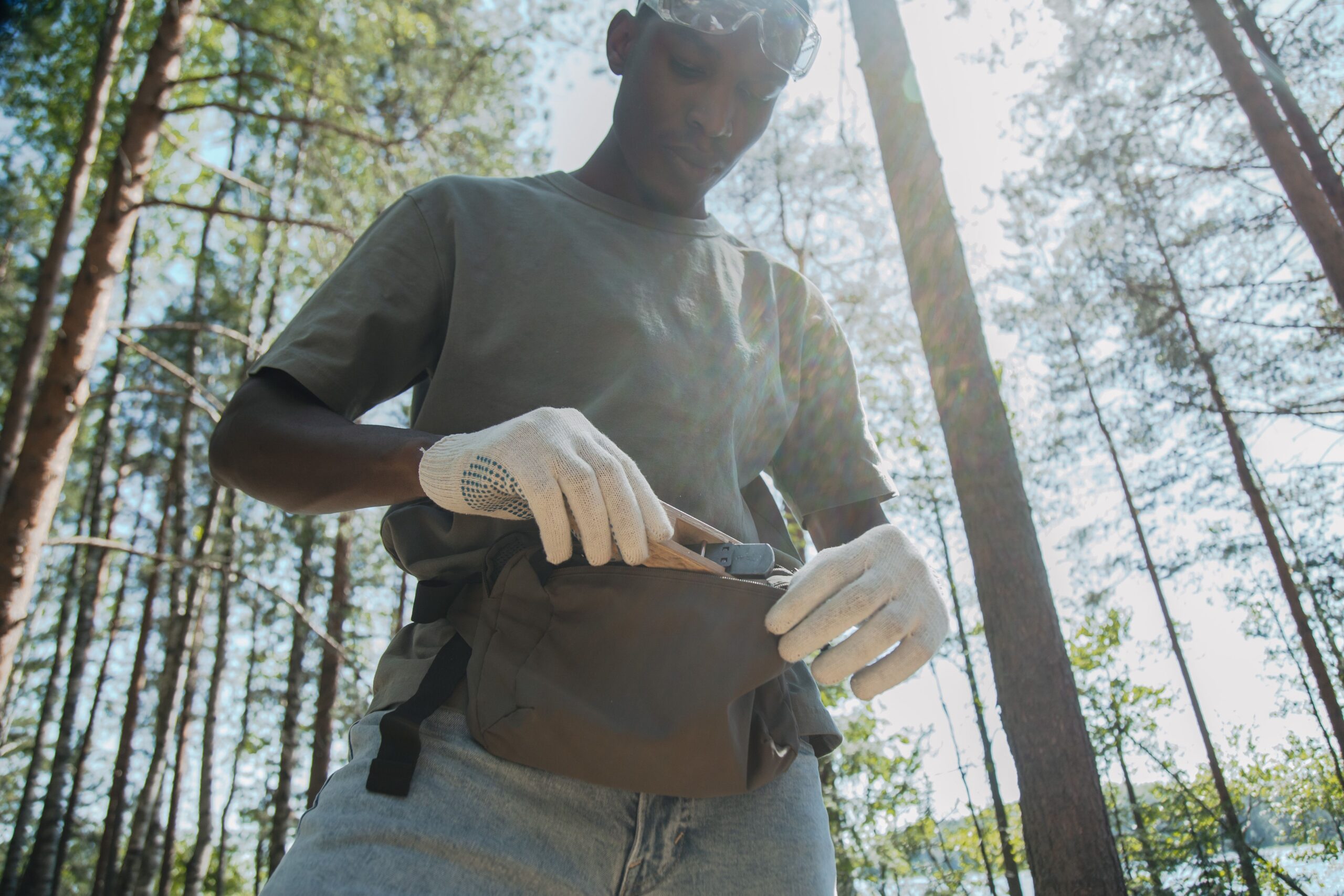
An arborist looks at far more than the crack. A thorough evaluation typically includes:
- Walking the entire tree, from the root flare to the top of the canopy, looking for decay, cavities, old wounds, and fungal growth
- Measuring and probing the crack to learn its depth and whether it is active
- Checking the soil and roots for heaving, lean, or damage
- Identifying the species and its known failure habits
- Mapping what is within reach if the tree or a large part of it fails, such as homes, vehicles, walkways, and power lines
The result is a clear recommendation: support it, reduce it, monitor it, or remove it. That keeps the decision grounded in observation rather than worry or guesswork.
How Is a Split Tree Saved?
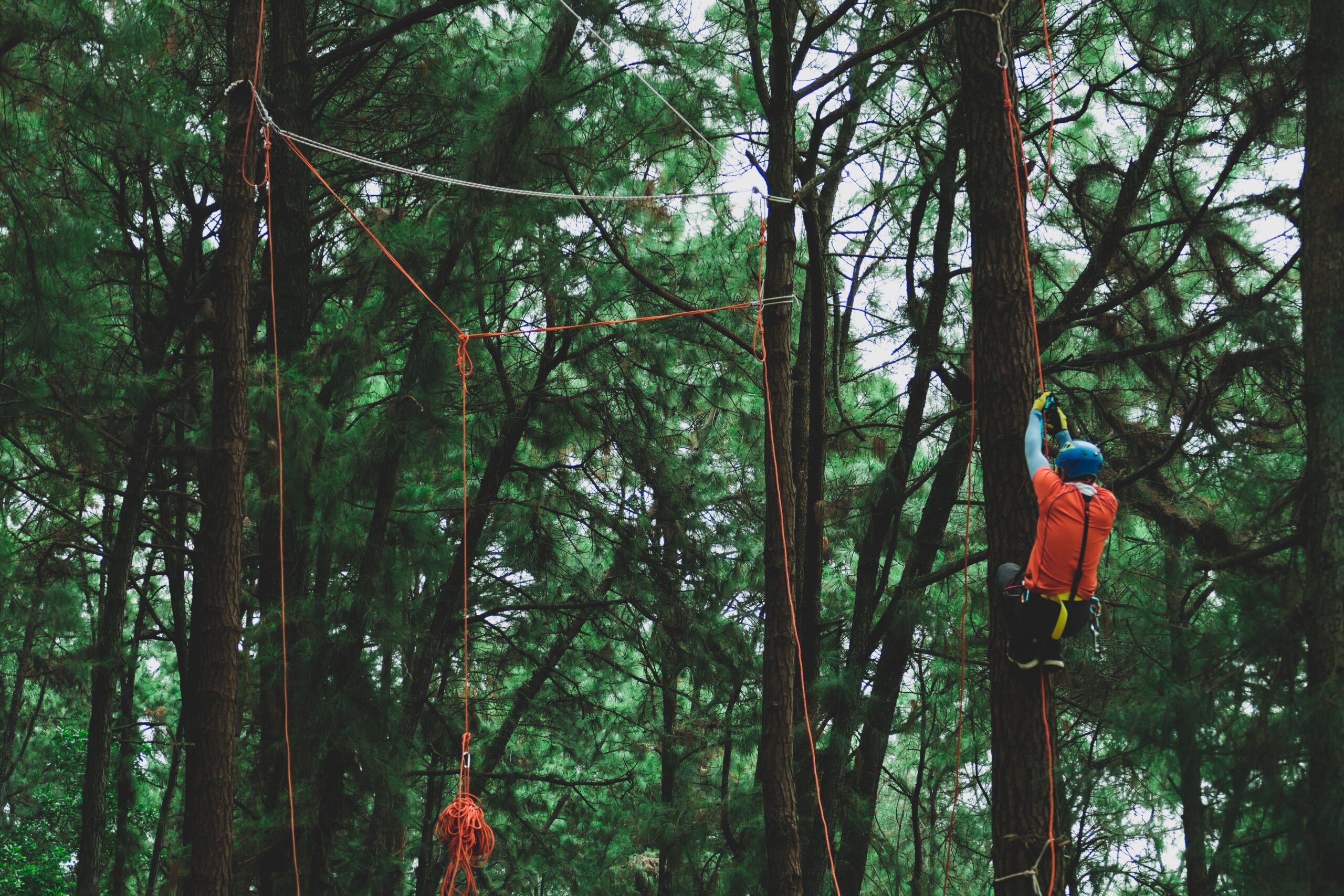
When a tree is a good candidate, treatment usually combines several steps.
Cabling and Bracing
Cables installed in the upper canopy limit how far stems or limbs can move, which takes load off the weak union. Brace rods, steel rods installed through the trunk, can hold a cracked section together. Both follow the ANSI A300 industry standard, and both need regular inspection to keep working. A support system helps the tree carry its load. It does not repair the split.
Reduction Pruning
Shortening and lightening the limbs above a split reduces the pull wind exerts on the weak point. Done correctly, reduction pruning preserves the tree’s natural shape. It is not topping, which harms trees. Our tree and shrub pruning services cover this work.
Removing One Stem
If a tree has two main stems and one is sound while the other is compromised, removing the weaker stem can sometimes save the tree. The remaining stem needs careful inspection first.
Ongoing Monitoring of a Split Tree
A supported split tree is not a finished project. Plan on periodic inspections, and keep the tree healthy with proper watering, mulching, and plant health care so it can wall off the damage on its own.
Will a Split Tree Heal on Its Own?
Not the way a broken bone does. Trees do not regrow or knit damaged wood back together. They seal it off, a process arborists call compartmentalization, and grow new wood around it.
When Is Removal the Safer Choice?
Urban Tree’s arborists favor preservation, but not at any cost. Removal is usually the right call when:
- The crack runs through the trunk at or near the base
- The gap is wide or the tree is actively moving
- There is extensive decay or root failure
- The tree stands over a structure or high-use area and cannot be supported reliably
In those cases, a planned tree removal on your schedule is far safer than letting the next storm make the decision.
What Should You Do If You Find a Split Tree?
- Keep people, pets, and vehicles away from the tree and the area where it could fall
- Do not climb it, stand under it, or pull on it to test it
- Photograph the crack from several angles and note the date and recent weather
- Skip the chain, rope, tape, and wound paint. Improvised fixes can girdle the tree or hide a developing problem
- Call a certified arborist promptly
If the tree is touching a structure, hanging over your home, or visibly opening, call our emergency tree service right away.
How Can You Prevent a Split Tree?
Prevention costs far less than any repair.
- Prune young trees to establish one dominant leader and remove included bark early
- Avoid topping, which creates weak regrowth
- Schedule routine inspections, especially before winter weather and storm season
- Support mature trees with known weak unions before they fail
- Keep the soil healthy with mulch and appropriate watering
Late fall, once the leaves drop, is an ideal time for a structural check. Without foliage, an arborist can see unions, cracks, and dead wood clearly. It is one more reason fall is a smart time to book tree work.
Common Questions About a Split Tree
Is a split tree dangerous?
It can be. Risk depends on the size of the part that could fail, how likely failure is, and what is below. A small split on a remote tree is low risk. A large split above a driveway is not.
Can I fix a split tree myself?
Not safely. Support systems must be installed to ANSI A300 standards, high in the canopy of a compromised tree. Leave it to a trained arborist.
Get a Straight Answer About Your Split Tree
If you have found a split tree on your property, you do not have to guess. Urban Tree’s certified arborists will examine the tree, explain what we see in plain language, and give you honest options, whether that means supporting the tree, reducing it, or removing it safely.
We serve Chattanooga, Signal Mountain, Lookout Mountain, Hixson, Ooltewah, and communities throughout the area. Contact us to schedule a free estimate, or call 423.322.9236. You can also learn more about Urban Tree and the arborists behind the work.