 Company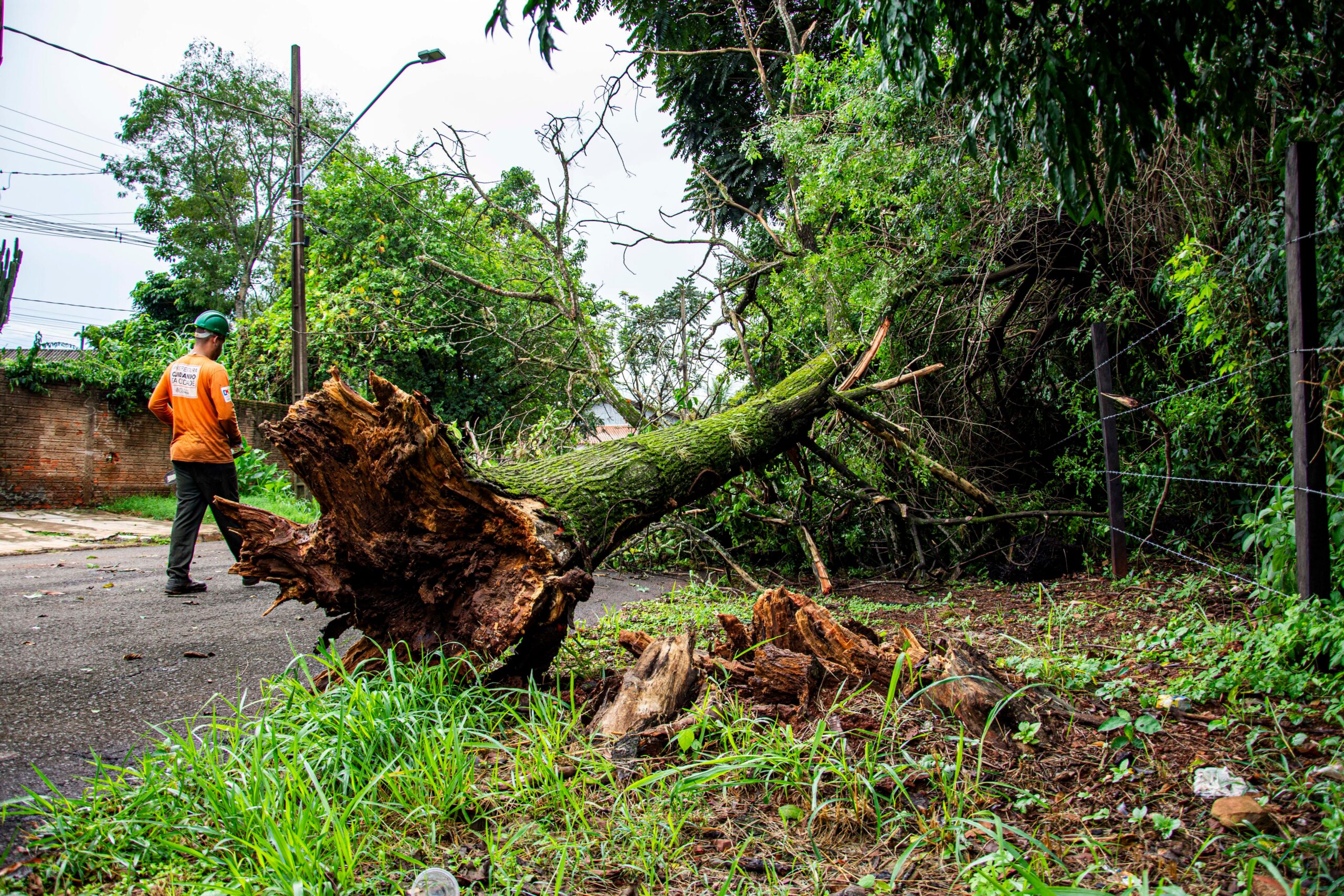
Roots do their most important work out of sight. They anchor the tree, pull in water and nutrients, and store the energy reserves a tree draws on during drought, disease, or storm recovery. That’s exactly why tree root damage is so easy to miss until a tree is already in serious decline.
By the time a canopy visibly thins or a trunk starts to tilt, the root system has often been struggling for a season or longer. Our arborists are trained to catch the earlier, subtler clues, and homeowners can learn to spot several of them too. Here’s what tree root damage actually looks like, what causes it, and when it’s time to bring in a professional.
What Does Tree Root Damage Look Like Above Ground?
Roots are underground, but a damaged root system almost always leaves visible clues on the tree and in the surrounding soil. Learning to recognize tree root damage early gives you a real chance to save the tree, rather than noticing the problem only after it’s already failed. These clues show up in the canopy, the trunk, and the ground itself, often well before a tree looks like it’s in trouble.
Fungal Growth at the Base
Mushrooms, shelf fungi, or conks growing at the trunk’s base or directly over the root zone are one of the clearest signs of root decay. Fungi feed on dead or dying wood, so their presence usually means decay is already active somewhere in the root system, even if the rest of the tree looks fine.
Soil Heaving or Cracking
Raised, cracked, or uneven soil around the base of a tree suggests the root plate has shifted or partially lifted. This is especially common after storms or periods of saturated ground, when roots lose their grip and the tree begins to rock slightly with wind.
Thinning or Yellowing Canopy
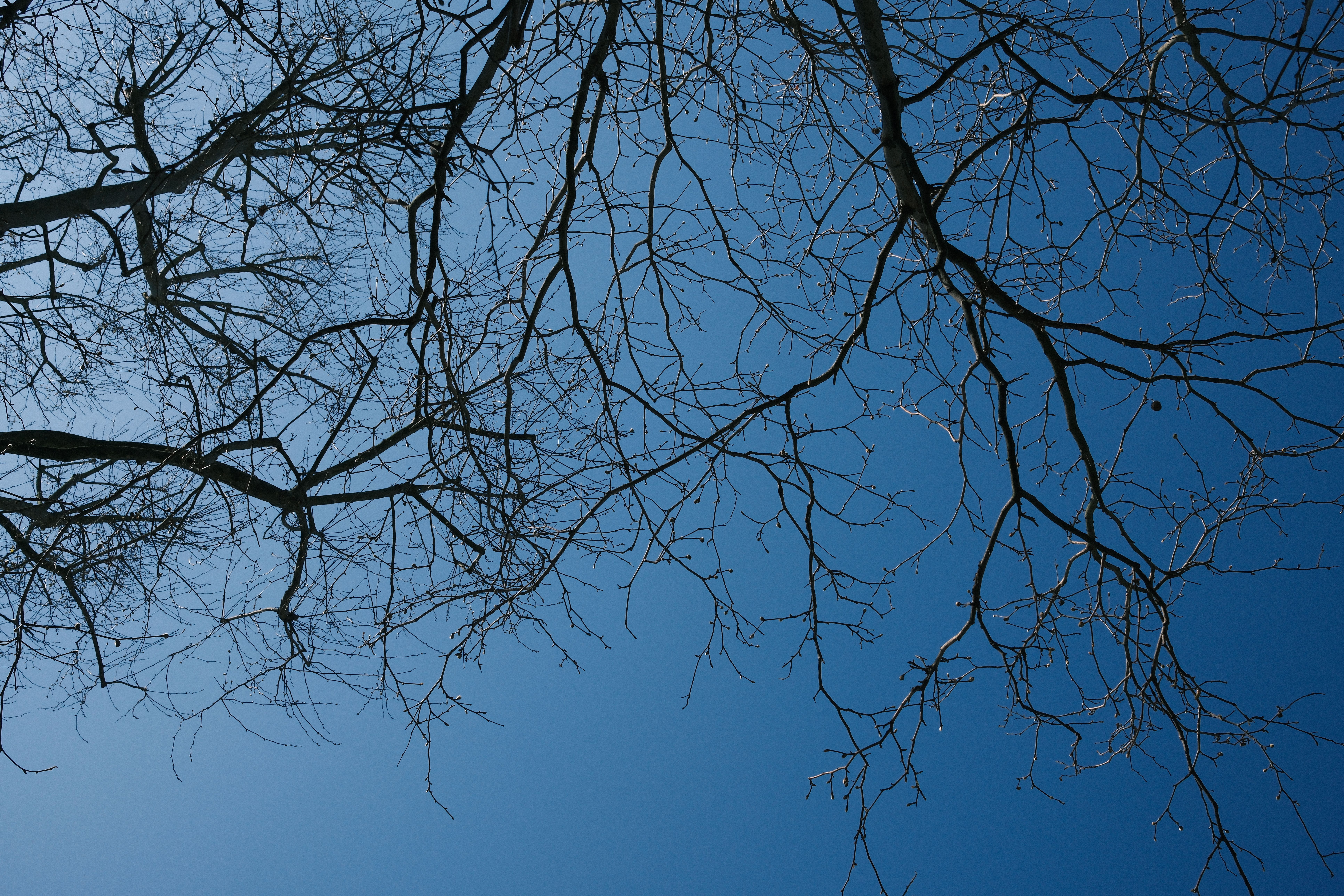
Because roots supply water and nutrients to the entire tree, root damage often shows up first as a thinning canopy, smaller-than-normal leaves, early fall color, or yellowing that doesn’t match the season. This symptom is easy to blame on drought or disease, but a compromised root system is a common underlying cause.
Dieback in the Upper Crown
When part of the root system fails, the tree can no longer support its full canopy. Dieback often starts at the top and outer edges of the crown, since those branches are furthest from the roots still functioning normally.
Exposed or Severed Roots Nearby
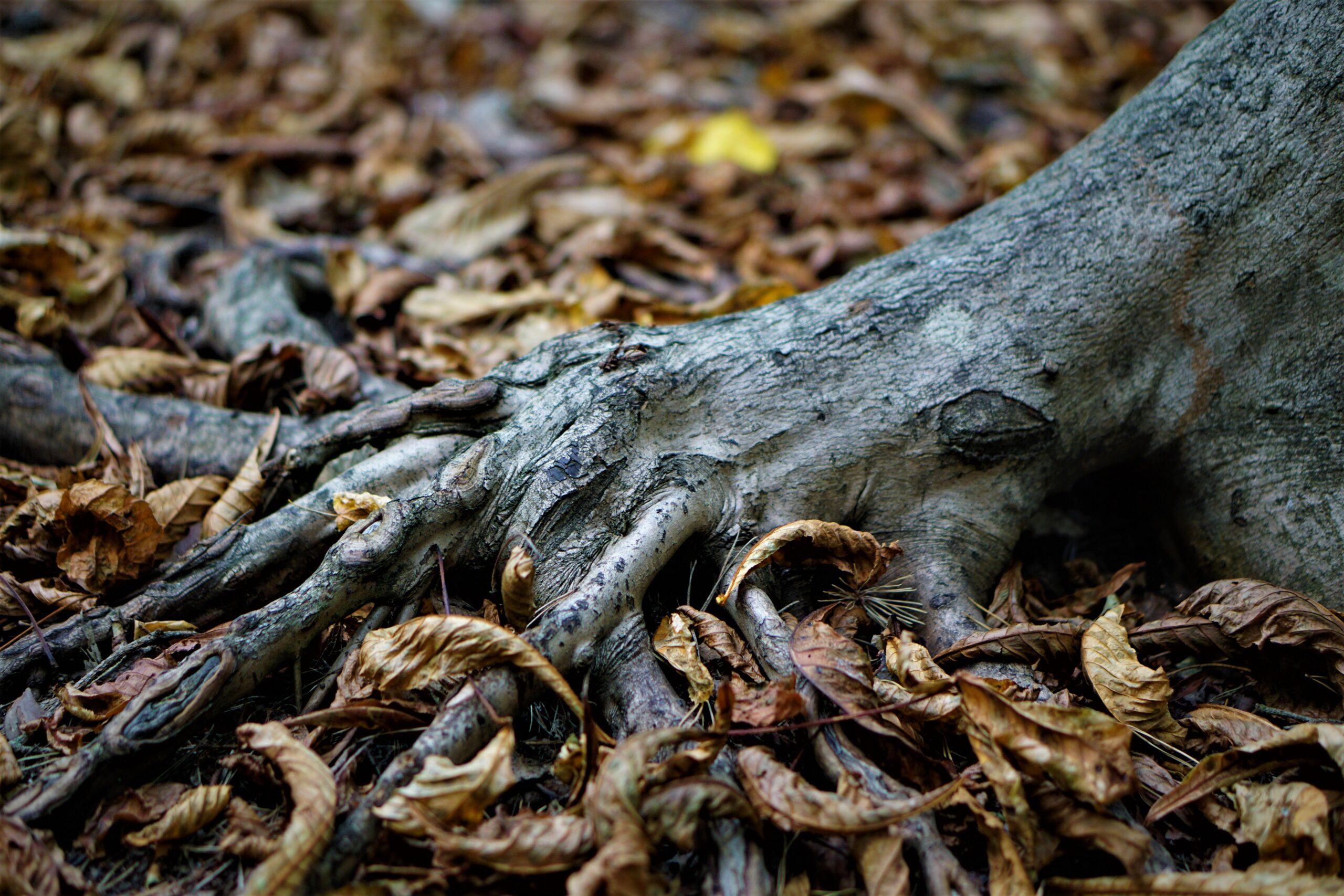
Construction work, trenching, grading, or even aggressive lawn edging can cut through roots close to the surface. If you’ve noticed exposed, cut, or damaged roots near a tree after recent digging, assume the root system has been affected even if the canopy still looks healthy for now.
Leaning or Shifting at the Base
A tree that has started to lean, or one where the trunk visibly moves at the base during wind, is showing a structural symptom of root damage. This is one of the more urgent warning signs, since it points to a loss of anchorage rather than just reduced nutrient flow.
What Causes Tree Root Damage?
Tree root damage has a handful of common causes, and identifying which one applies to your tree helps determine whether it can recover.
Construction and Soil Compaction
Heavy equipment, foot traffic, and material storage near a tree’s root zone compact the soil, squeezing out the air pockets roots need to breathe and grow. Compacted soil can suffocate roots slowly, even without any digging involved, which is why root damage often appears months after a construction project has already wrapped up.
Girdling Roots
Some trees develop roots that wrap around the trunk or other roots instead of growing outward. As the tree grows, a girdling root can choke off its own vascular tissue, restricting water and nutrient flow in a way that mimics the symptoms of root disease.
Storm and Excavation Damage
High winds can tear or partially uproot a tree’s anchoring roots even when the tree remains standing. Excavation for utilities, foundations, or hardscaping does similar damage more deliberately, often severing roots the homeowner never sees.
Root Rot and Fungal Disease
Several fungal pathogens attack root tissue directly, gradually weakening the wood that holds the tree upright. Poor drainage and consistently wet soil create ideal conditions for these pathogens to take hold.
How Common Is Root-Related Tree Failure?
Root problems aren’t a rare or minor factor in tree health. Research published in the journal Arboriculture & Urban Forestry, drawing on the International Tree Failure Database, found that roughly a third of all documented tree failures were root-related. That figure is a useful reminder that a tree’s stability depends as much on what’s happening underground as on how healthy the trunk and canopy appear.
Can a Tree Recover from Root Damage?
Sometimes, yes, particularly when the damage is caught early and only affects a portion of the root system. Trees are often able to compensate for moderate root loss by growing new fine roots, provided the soil conditions support it and the remaining root system is sound.
Recovery becomes far less likely once decay has spread through the root plate, once a significant percentage of the roots have been severed, or once the tree has already begun to lean. At that point, treatment shifts from saving the tree to managing the risk it poses.
How Do Arborists Diagnose Root Damage?
We start by looking at the soil, not just the tree. Signs like heaving, cracking, fungal growth, and exposed roots tell us where to focus. From there, we assess the canopy for thinning, dieback, or discoloration that lines up with what we’re seeing at ground level.
For trees where root damage is suspected but not obvious, we may recommend soil probing near the root flare or a closer inspection of the root collar, since decay and girdling roots often develop right at the base where the trunk meets the ground. Combining what’s visible above and below the surface gives us a much more reliable picture than judging the canopy alone.
What Happens If Root Damage Goes Untreated?
Untreated tree root damage rarely stays the same. Decay spreads, girdling roots tighten, and soil conditions that caused compaction or saturation typically persist unless something changes. Over time, the tree becomes progressively less stable, less able to take up water and nutrients, and more vulnerable to disease and pest pressure.
The real risk isn’t just losing the tree. A tree with significant root damage can fail without much warning, especially during storms, putting your home, vehicles, or family at risk. Addressing root damage early, through soil management, drainage improvements, or in some cases removal, is almost always safer and less costly than waiting.
Frequently Asked Questions
Can you tell if a tree has root damage without digging it up?
In most cases, yes. Soil heaving, fungal growth, canopy thinning, and leaning are all visible signs that point to root problems without needing to expose the root system.
How long does it take for a tree to recover from root damage?
Recovery timelines vary widely depending on the tree’s species, age, and the extent of the damage. Minor root loss may resolve over one or two growing seasons with proper soil care, while significant damage may never fully heal.
Does mulch help with tree root damage?
Proper mulching can improve soil structure and moisture retention around damaged roots, which supports recovery. Piling mulch directly against the trunk, however, can trap moisture and encourage the very decay you’re trying to prevent.
Is tree root damage covered by homeowners insurance?
Coverage depends on your specific policy and the cause of the damage. It’s worth documenting root damage and any related tree risk with photos and a professional assessment regardless of insurance status.
Can construction near my house damage a tree’s roots even without touching the tree itself?
Yes. Root systems often extend well beyond the edge of a tree’s canopy, so digging, grading, or heavy equipment traffic several feet away can still sever or compact roots.
Should I fertilize a tree with root damage?
Not without a proper diagnosis first. Fertilizing before addressing the underlying cause of root damage can sometimes stress the tree further. An arborist can recommend the right soil management approach based on what’s actually wrong.
Notice Signs of Root Damage on Your Property?
Root problems rarely announce themselves clearly, which is exactly why an early, expert evaluation matters so much. Our certified arborists can inspect the soil, canopy, and root collar together to determine how serious the damage is and whether the tree can be saved. Contact Urban Tree to schedule an assessment before tree root damage progresses any further.