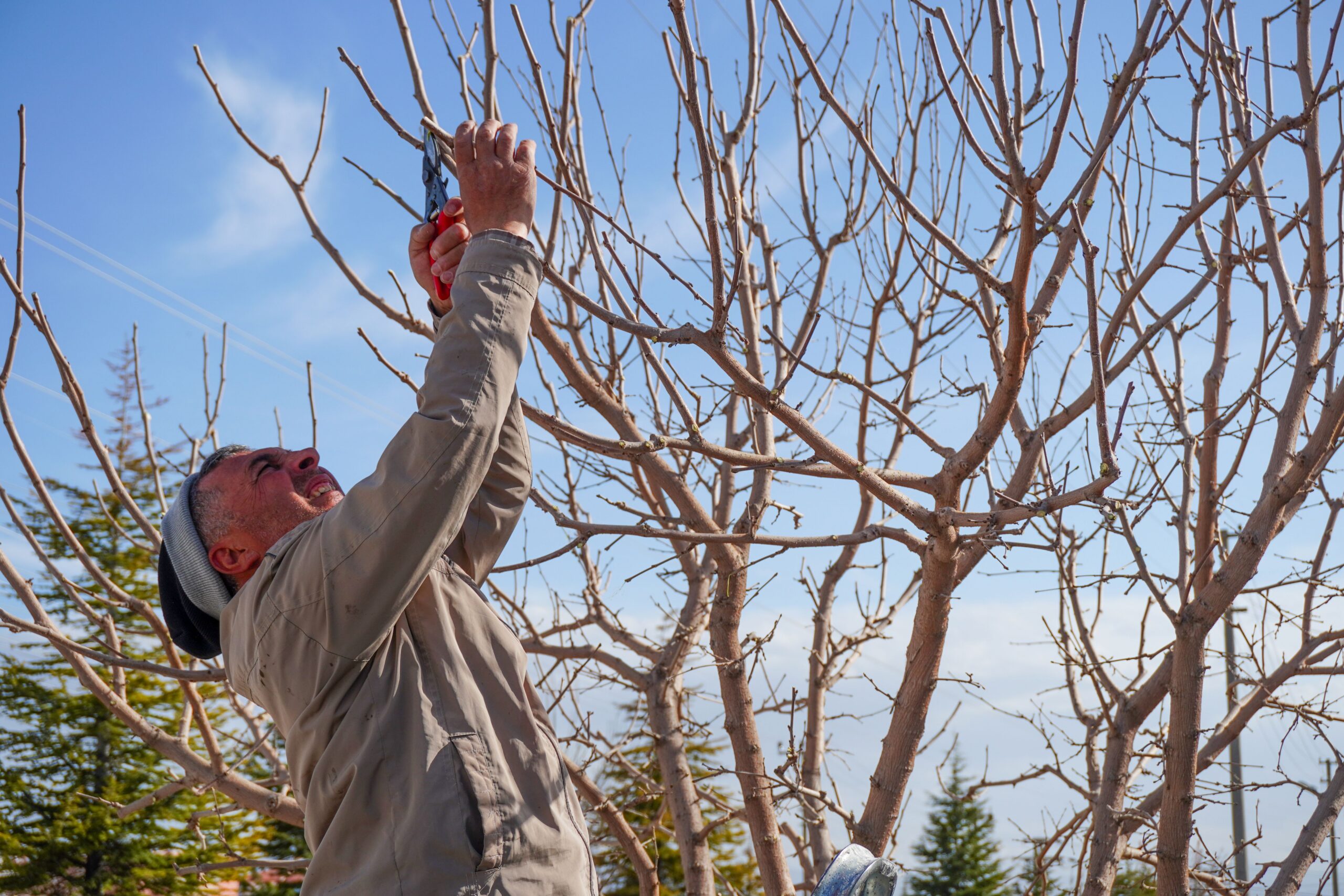
Professional tree pruning is the selective removal of specific branches to improve a tree’s health, structure, and safety. It is not the same as trimming for looks, and it is not something you should do with a ladder and a chainsaw on a Saturday afternoon. When done correctly by a professional arborist, pruning removes dead or diseased wood, reduces the risk of limb failure during storms, improves air circulation through the canopy, and directs the tree’s growth away from structures and power lines. A study published by the USDA Forest Service found that properly pruned urban trees experience up to 25% fewer branch failures during severe weather compared to unpruned trees. At Urban Tree, we have pruned thousands of residential and commercial trees across the greater Chattanooga area since 2013, and the difference between a properly pruned tree and a neglected one is striking. Here is why professional pruning matters, what the process involves, and how it protects both your trees and your property.
What Is the Difference Between Pruning and Trimming?
People use the words interchangeably, but they are different things. Trimming is about shaping the outer canopy for aesthetics. It focuses on how the tree looks. Pruning is about the tree’s internal structure and long-term health. It focuses on what the tree needs.
A professional pruning job addresses dead, dying, or diseased branches that could fall and cause damage. It removes crossing branches that rub against each other and create open wounds (entry points for disease and insects). It corrects structural problems like co-dominant stems, where two main trunks grow in a tight V-shape and split apart under load. And it opens up the interior canopy so air and sunlight reach the inner branches, reducing conditions that favor fungal growth.
Trimming a tree can make it look good for a season. Pruning it correctly can add decades to its lifespan.
How Does Improper Pruning Damage a Tree?
Bad pruning is worse than no pruning at all. We see the aftermath regularly: trees that have been topped, over-thinned, or hacked back by someone without training. The damage compounds over time.
Topping is the most common offender. This is when someone cuts the main branches back to stubs, removing a large portion of the canopy at once. The tree responds by sending out dozens of weak, fast-growing sprouts called water sprouts. These sprouts attach weakly to the stub and are far more likely to break in wind than the original branches were. The tree also loses a massive percentage of its leaf area overnight, which starves it of the energy it needs to heal and fight off disease.
The International Society of Arboriculture (ISA) has been clear on this for years: topping is harmful, and no professional arborist should recommend it. If someone offers to top your trees, that is a red flag about their qualifications.
Over-thinning is subtler but still damaging. Removing too many interior branches exposes the remaining limbs to wind and sun they were not conditioned to handle. This can cause sunscald on bark, excessive swaying, and a condition called lion-tailing, where all the foliage ends up clustered at the tips of long, bare branches. Lion-tailed branches act like levers in a storm, concentrating stress at the attachment point.
What Does a Professional Pruning Job Look Like?
A professional arborist starts by evaluating the tree from the ground. They look at the overall structure, identify dead or problematic branches, and develop a plan before anyone climbs or operates a bucket truck. This assessment phase is where the real expertise shows up. Knowing which branches to cut, and more importantly which ones to leave, is the difference between professional pruning and a hack job.
The actual cuts follow standardized techniques. A proper pruning cut is made just outside the branch collar (the slightly swollen area where the branch meets the trunk). Cutting flush with the trunk damages the tree’s ability to compartmentalize the wound. Leaving a long stub creates a dead section that invites decay. The branch collar cut allows the tree to seal over the wound as quickly as possible.
For larger branches, arborists use a three-cut method to prevent bark tearing: an undercut first, then a top cut to remove the weight, and finally a clean finish cut at the branch collar. It sounds simple, but the technique matters. A torn branch wound can take years longer to heal than a clean one.
At Urban Tree, our crews follow ISA pruning standards on every job. We also clean and sanitize cutting equipment between trees, especially when working on properties where disease is present or suspected.
When Is the Best Time of Year to Prune Trees?
For most deciduous trees in East Tennessee, late winter or early spring (February through March) is the best window. The tree is dormant, so pruning causes less stress. The lack of leaves makes the branch structure visible, which helps the arborist see exactly what needs to come out. And the tree is about to enter its strongest growth phase, so wounds close faster.
There are exceptions. Oaks should not be pruned from April through July because fresh pruning wounds during that period attract sap beetles that carry oak wilt, a fungal disease that can kill red oaks in weeks. Spring-flowering trees like dogwoods and redbuds are best pruned right after they finish blooming, so you do not cut off next year’s flower buds.
Dead branches can be removed at any time of year. They are not contributing to the tree, and removing them reduces risk regardless of the season. If you notice a large dead limb hanging over your house in July, do not wait until February to deal with it.
How Often Should Trees Be Pruned?
Young trees benefit from structural pruning every 2 to 3 years. This is the most cost-effective pruning you can do, because correcting structural issues on a young tree is fast, inexpensive, and prevents major problems later. A $200 pruning job on a young maple can prevent a $3,000 removal 15 years down the road.
Mature trees in good condition should be inspected and pruned every 3 to 5 years. Trees near structures, power lines, driveways, or walkways may need attention more frequently because the consequences of branch failure are higher in those locations.
If a tree has not been professionally pruned in over a decade, the first session will likely involve more extensive work (and higher cost) to address accumulated deadwood, crossing branches, and structural issues. After that initial correction, maintaining the tree on a regular cycle becomes much simpler and more affordable.
How Much Does Professional Tree Pruning Cost in Chattanooga?
At Urban Tree, we have a $500 minimum for pruning services in the Chattanooga area. The total cost depends on the size of the tree, the number of trees, accessibility, and the extent of work needed. A large oak with years of deferred maintenance will cost more than a routine pruning on a well-maintained maple.
The investment pays for itself. Properly pruned trees are less likely to drop branches on your roof, car, or fence. They are less susceptible to disease. They look better and grow stronger. And if you ever need to sell your property, healthy, well-maintained trees are a visible signal that the homeowner takes care of the place.
Can Pruning Save a Damaged or Declining Tree?
In many cases, yes. A tree with crown dieback, storm damage, or early-stage disease can respond well to corrective pruning. Removing dead and diseased wood reduces the tree’s pathogen load and redirects energy to healthy growth. Crown reduction pruning can rebalance a tree that has become lopsided from storm damage.
But pruning is not a cure for everything. A tree with advanced internal decay, severe root loss, or a compromised trunk may be past the point where pruning helps. In those situations, removal is the safer and more honest recommendation. At Urban Tree, we always tell our clients the truth about a tree’s condition, even when that means recommending removal instead of the pruning they called about.
Frequently Asked Questions
Is it okay to prune my own trees?
Small ornamental trees and low branches you can reach from the ground are reasonable DIY projects if you know proper cutting technique. Anything requiring a ladder, a chainsaw, or climbing should be left to a professional. Falls from ladders are one of the most common causes of homeowner injury, and chainsaws in untrained hands are dangerous.
Will pruning make my tree grow faster?
Not exactly. Pruning redirects the tree’s energy from maintaining dead or redundant branches toward healthy growth. The tree may appear to grow more vigorously after pruning because the remaining branches receive more sunlight and resources. But heavy pruning (removing more than 25% of the canopy in a single session) can slow growth and stress the tree.
What is the difference between crown thinning and crown reduction?
Crown thinning removes selected interior branches to reduce density and improve air circulation, without changing the tree’s overall shape or size. Crown reduction shortens specific branches to reduce the tree’s height or spread, usually to clear structures or power lines. Both are standard pruning techniques, and a good arborist will explain which one your tree needs and why.
Does Urban Tree offer pruning for commercial properties?
Yes. At Urban Tree, we handle pruning for both residential and commercial properties across the greater Chattanooga area, including Lookout Mountain, Signal Mountain, Ooltewah, Collegedale, Soddy Daisy, and all communities within a 70-mile radius. Our 55-person team has the capacity for large-scale commercial pruning projects. Call (423) 322-9236 or visit geturbantree.com to schedule an estimate.