
 Company
A tree losing leaves in summer, well before autumn arrives, understandably worries homeowners. A tree that drops leaves in October is easy to explain. A tree shedding green leaves in July is a different story, and it’s one of the questions our arborists hear most often once Chattanooga’s summer heat sets in.
The good news is that it’s often a normal stress response. The less good news is that it can also signal a deeper problem below the soil line. This guide walks through what’s normal, what isn’t, and how a certified arborist tells the difference.
Why Is a Tree Losing Leaves in Summer in the First Place?
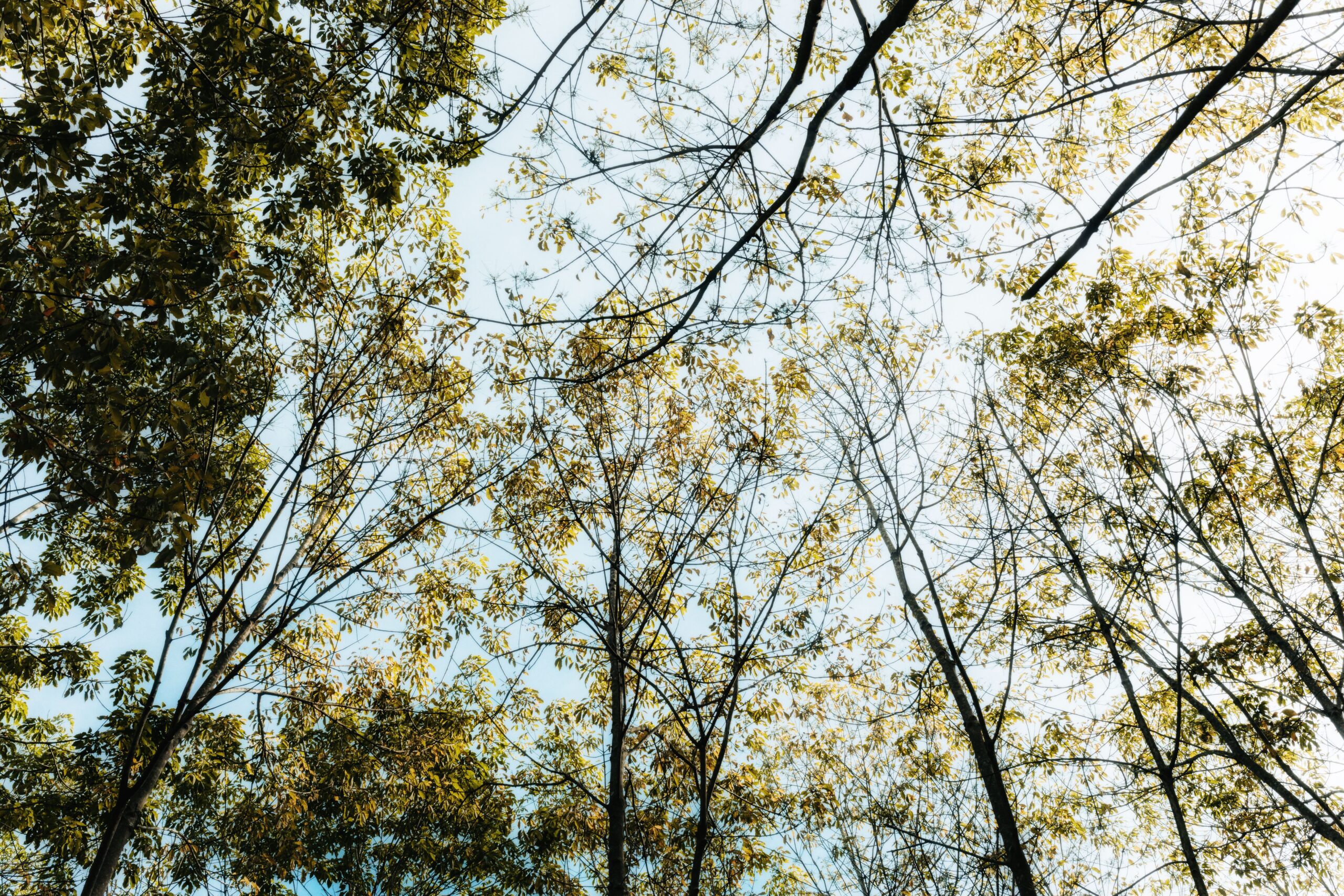
Trees are built for survival first and appearance second. When a tree is short on water, nutrients, or root capacity, it will sacrifice leaves to protect itself. Every leaf a tree carries is a demand on its water supply, so shedding some foliage is often the tree’s way of reducing that demand before things get worse.
Healthy, established trees can drop up to 10% of their canopy during a stretch of hot, dry weather without any lasting harm. That kind of leaf drop is a stress response, not a symptom of disease, and the tree typically recovers once conditions improve. The challenge for homeowners is knowing whether what they’re seeing falls inside that normal range or signals a deeper problem with the root system, the soil, or the tree’s overall health.
Is This Normal, or a Sign of a Serious Problem?
What Normal Summer Leaf Drop Looks Like
A tree responding to ordinary summer stress tends to show a fairly even, gradual thinning. Leaves closer to the trunk and lower in the canopy are usually the first to go, since those are the least efficient leaves the tree is carrying. The rest of the canopy generally stays green, and new growth from earlier in the season still looks healthy.
7 Warning Signs That Need an Arborist’s Eye
Leaf drop starts to look less routine when it’s uneven, sudden, or paired with other symptoms. Watch for:
- Leaf loss concentrated on one side or one section of the canopy
- Bare branches appearing within just a week or two
- Leaves dropping while still fully green, in large volume
- Cracked, peeling, or discolored bark near the base or major limbs
- Fungal growth or cankers on the trunk
- Sap oozing from the bark
- A visible lean that wasn’t there earlier in the season
Any of these alongside leaf drop is a good reason to have a professional take a closer look before the underlying issue progresses.
What Causes Premature Leaf Loss in Chattanooga’s Climate?
East Tennessee’s combination of hot summers, clay-heavy soil, and periods of drought creates several distinct pathways to summer leaf drop.
In our experience, the most common causes we find during on-site evaluations include:
- Drought stress — extended dry spells reduce the water available to the root system, forcing the tree to shed leaves to conserve moisture.
- Compacted or poorly drained soil — construction traffic, foot traffic, and heavy clay can suffocate roots even when rainfall looks adequate on the surface.
- Root damage — trenching, grade changes, or nearby construction can sever or crush roots the canopy depends on.
- Pests and disease — insects and fungal pathogens frequently target trees that are already under stress, compounding the problem.
- Heat stress — prolonged high temperatures increase water loss through the leaves faster than the roots can replace it.
Because several of these causes produce nearly identical symptoms above ground, an accurate diagnosis usually requires looking at the soil and root zone, not just the canopy.
How Do Arborists Diagnose the Cause of a Tree Losing Leaves in Summer?
When we evaluate a tree that’s dropping leaves early, we start below the canopy rather than above it.
That typically includes checking soil moisture and compaction near the root zone, inspecting the root flare for girdling roots or mechanical damage, and examining the trunk and major limbs for cankers, cracks, or insect activity. We also look at the pattern of the leaf drop itself, since where the loss is concentrated often points directly to the cause.
This is the same process we use during a formal tree risk assessment, which is worth scheduling any time leaf loss is uneven, rapid, or paired with structural concerns like a new lean or exposed roots.
[Suggested image here — see “In-Article Image 2” in the SEO Metadata Package below]
What Can Homeowners Do Right Now?
If your tree is losing leaves in summer and the cause looks like ordinary heat or drought stress, there’s a lot you can do to support recovery while you wait for a professional opinion:
- Water deeply and infrequently rather than a light daily sprinkle. A slow soak that reaches 12 inches down encourages deeper, more resilient roots.
- Apply 2 to 3 inches of mulch out to the drip line, keeping it a few inches away from the trunk, to hold soil moisture and moderate temperature.
- Avoid pruning stressed trees beyond removing obviously dead or hazardous limbs. Heavy pruning adds stress at the worst possible time.
- Skip the fertilizer until the tree has recovered. Fertilizing a drought-stressed tree can push new growth it doesn’t have the water to support.
These steps support recovery, but they won’t correct root damage, soil compaction, or an active disease. That’s where a professional evaluation earns its keep.
When Should You Call a Professional?
A single hot week and some yellowing leaves usually don’t warrant a call. But if leaf drop is heavy, one-sided, sudden, or shows up alongside bark damage, cankers, or a change in the tree’s lean, it’s time to bring in a certified arborist. Diagnosing what’s happening beneath the soil, and correcting it through proper watering, aeration, or targeted plant health care and soil management, is far easier to get right with an experienced eye involved early.
Left unaddressed, root and soil problems tend to compound. A tree that’s merely stressed this summer can become a genuine safety concern in a year or two if the underlying cause is never treated.
Frequently Asked Questions
Is a tree losing leaves in summer always something to worry about?
No, not always. Healthy trees can shed up to 10% of their leaves during hot or dry stretches as a natural way to conserve water. Losses beyond that range, or leaf drop concentrated in one area, are worth a closer look.
Will a tree that loses its leaves in summer grow them back?
Often, yes. If the cause is heat or drought stress and the tree is otherwise healthy, it typically pushes new leaves once conditions improve or the following spring. Trees with root damage or disease may not recover without treatment.
Can overwatering also cause a tree to drop leaves?
It can. Saturated soil pushes oxygen out of the root zone, which stresses roots in a similar way to drought. If you’ve been watering heavily and still seeing leaf drop, soil drainage may be the actual issue.
How long does it take a stressed tree to recover?
Recovery time depends on the severity and cause of the stress, but many trees show improvement within a few weeks of consistent, deep watering once a drought stretch ends.
Should I remove a tree that’s losing leaves early?
Rarely, and not without an evaluation first. Most trees losing leaves in summer are experiencing a treatable stress response rather than terminal decline. An arborist can tell you whether the tree is a candidate for recovery or a safety risk.
Does the type of tree matter?
Yes. Species with shallower root systems or lower drought tolerance, including many maples and dogwoods common in Chattanooga yards, tend to show summer leaf drop sooner than deep-rooted species like oaks.
Concerned About a Tree on Your Property?
A tree losing leaves in summer is telling you something, and it’s worth listening early rather than waiting to see what happens.
Our certified arborists serve homeowners throughout Chattanooga and the surrounding area, and we’re happy to take a look, explain exactly what’s going on, and lay out a plan if one is needed. Contact Urban Tree to schedule a free estimate, or visit our homepage to explore our full range of tree care services.
Follow us! @geturbantree