A crew doesn’t simply show up, drop a tree, and drive away. A professional tree removal follows a clear sequence: an on-site evaluation, a safety plan, careful cutting and rigging, full cleanup, and often a short conversation about what comes next for the space the tree leaves behind. Homeowners across Chattanooga call for tree removal for plenty of reasons. Storms split limbs overhead. Trunks hollow out near the base. Roots crack a driveway or push against a foundation. Construction plans conflict with a tree’s location. Whatever the reason, understanding the process removes much of the uncertainty and helps you plan for removal day.
This article walks through each stage of a professional tree removal, from the first phone call to the final cleanup, so you know what your arborist is doing at every step and why it matters.
Why Would a Tree Need Professional Removal?
Not every damaged or aging tree needs to come down. Pruning, cabling, or soil treatment can often save a tree that still has a healthy root system and sound structure. Removal becomes necessary when decay has hollowed out a considerable portion of the trunk, when the root system has been severed or compromised, when a tree leans toward a structure with no way to correct the lean, or when disease has spread past the point of recovery. Construction projects sometimes force removal too, particularly when grading or excavation would destroy enough roots to make a tree unstable. A certified arborist looks at the whole picture rather than a single symptom before recommending professional tree removal.
How Do Arborists Decide a Tree Should Come Down?
Deciding whether a tree needs professional tree removal involves more than a glance from the sidewalk. Arborists trained in tree risk assessment examine the root flare, the trunk, the scaffold branches, and the surrounding target area, meaning anything the tree could strike if it failed: a home, a driveway, power lines, or a place where people gather. A tree with considerable decay near a patio poses a different level of risk than the same defect out in an open field. This kind of structured evaluation gives homeowners an honest picture instead of a guess.
What Happens Before a Professional Tree Removal Begins?
Before any cutting starts, an arborist visits the property to inspect the tree in person. They check the trunk for cracks, cavities, and fungal growth, review the canopy for dead wood, and look at the root zone for heaving soil or fungal conks that hint at root decay. They also map out the drop zone, identify nearby structures, fences, gardens, and utility lines, and plan the safest direction for each cut. If access is tight, for instance a backyard tree hemmed in by a fence or a pool, the crew adjusts equipment and rigging accordingly. Homeowners get a clear rundown of the plan before a single branch comes down.
Is a Permit Required for Tree Removal in Chattanooga?
Permit requirements vary by zoning and by whether a tree sits in a protected area, so the answer depends on your specific address rather than a blanket rule. A reputable tree service checks local regulations before scheduling professional tree removal and advises you on what, if anything, needs to be filed. It helps to ask about this during your estimate rather than learning about a requirement after the crew arrives.
What Equipment and Techniques Do Crews Use?
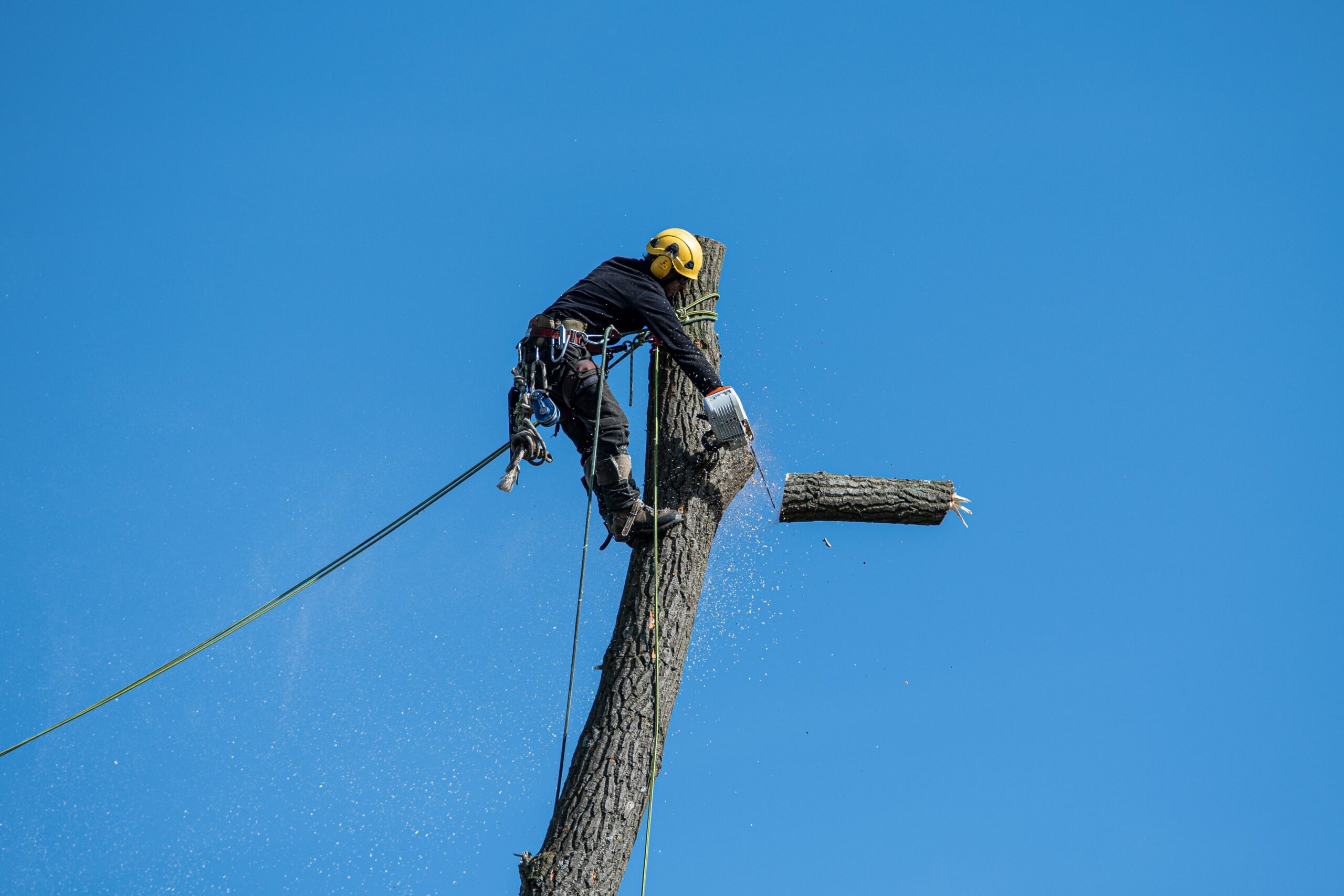
Professional tree removal relies on more than a chainsaw. Crews use climbing ropes, rigging lines, and pulley systems to lower large sections of a tree in a controlled manner rather than letting them fall freely. For trees near a house, a fence, or a power line, a crane may lift entire sections away from the target area. A wood chipper processes brush on-site, and stump grinding is available as an add-on if you want the stump removed below grade rather than left in place. Tree work carries genuine risk. Federal labor data analyzed by the Tree Care Industry Association puts the fatality rate for tree trimmers and pruners at roughly 110 per 100,000 workers, close to thirty times the rate for the average American job. That number is exactly why professional tree removal depends on trained crews, proper rigging, and the right protective equipment for every cut, rather than a homeowner with a ladder and a chainsaw.
How Long Does a Professional Tree Removal Take?
Timing depends on the size of the tree, how close it stands to structures, and how much rigging the job requires. Most residential removals wrap up within a single day. A large oak or hickory hemmed in by a fence, a shed, and overhead lines can stretch into a longer job, especially if a crane needs to be brought in and sections have to come down piece by piece. Storm-damaged trees sometimes move faster on the schedule since a leaning or split trunk poses an active hazard.
What Happens to the Wood and Debris Afterward?
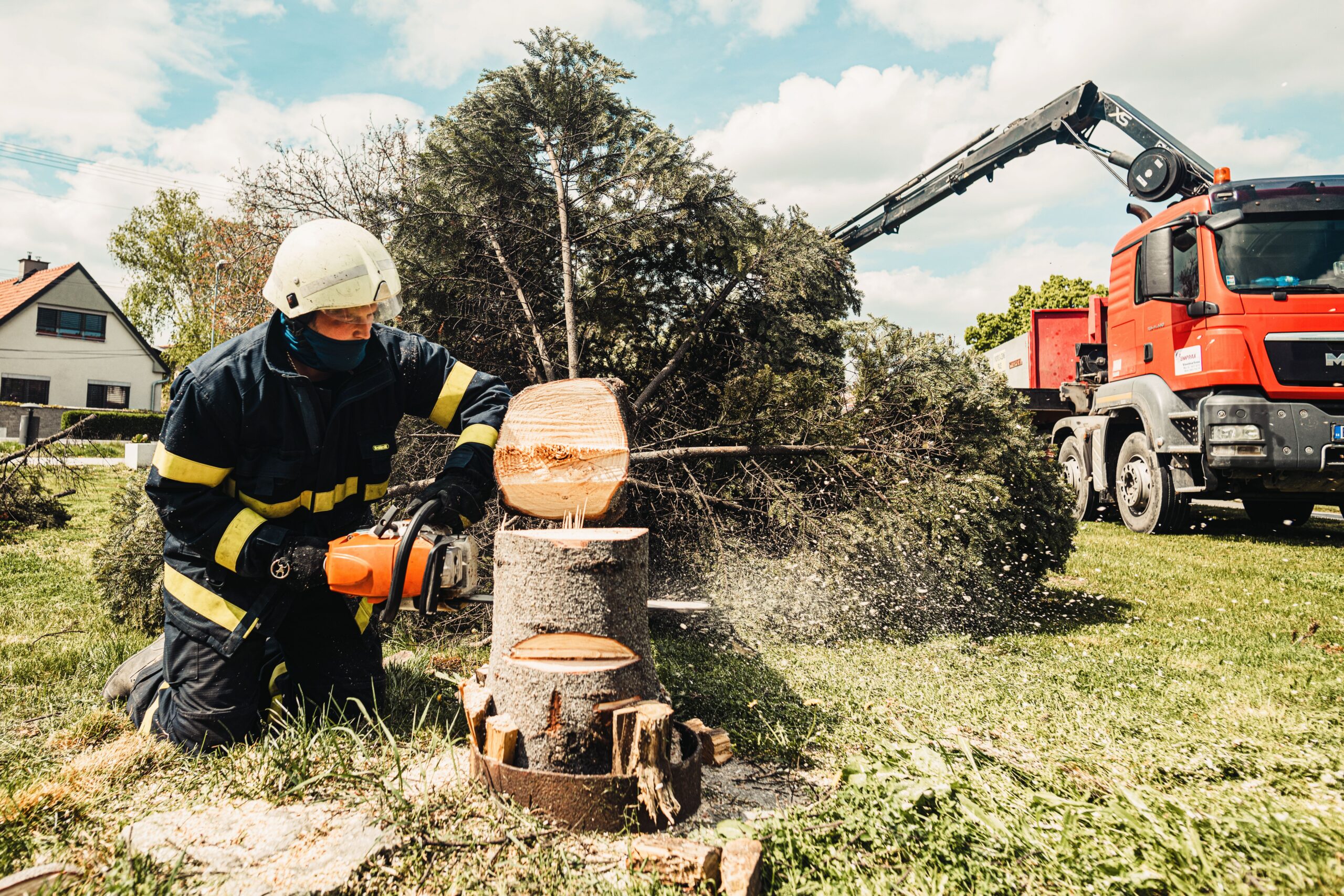
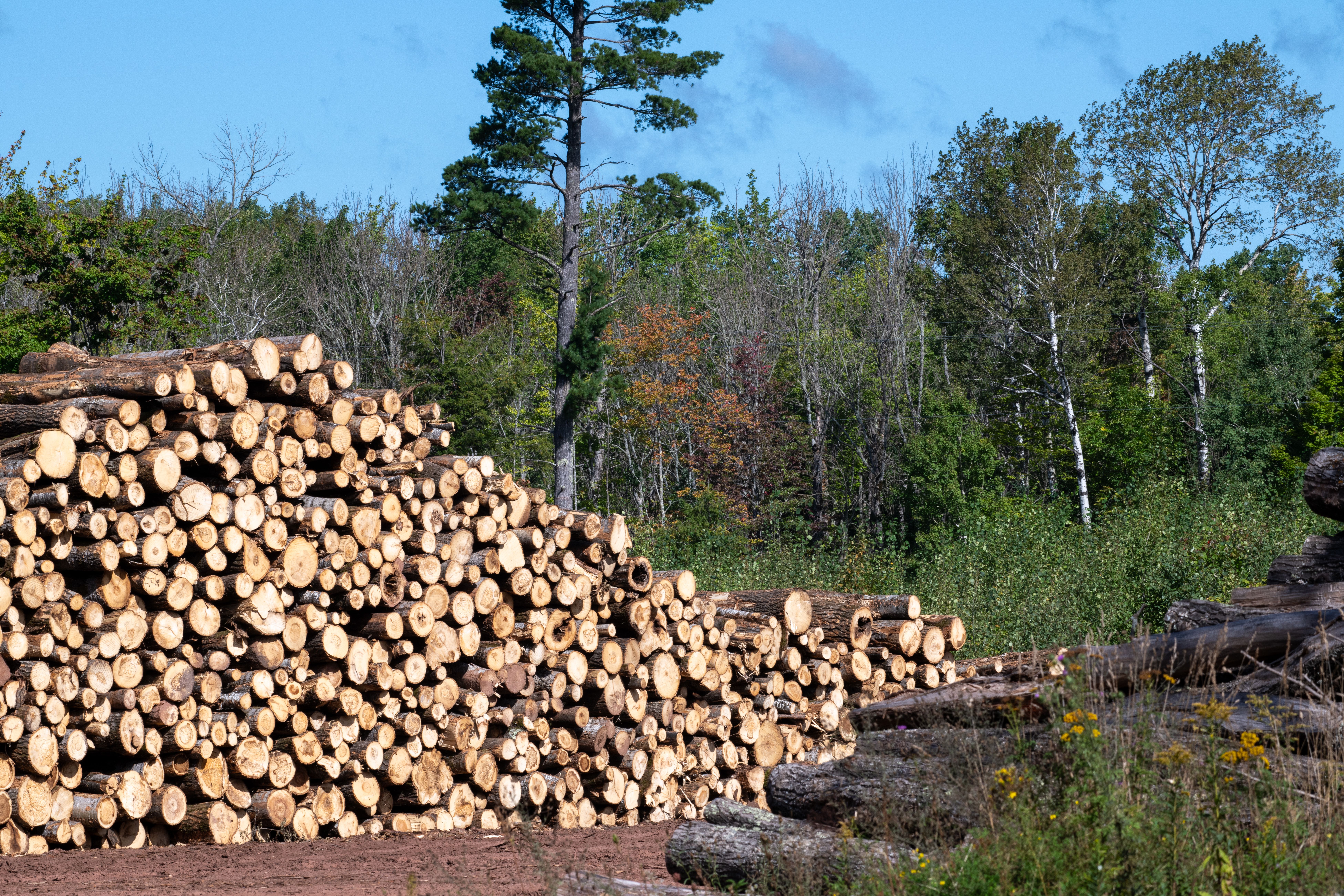
Once the tree is down, the crew chips brush and smaller limbs on-site and hauls away the logs. If you’d like to keep some of the wood for firewood, just say so during your estimate and the crew will cut and stack it for you rather than hauling it off. Wood chips from the job can even be repurposed as mulch elsewhere on the property, which supports soil health around the trees that remain.
How Much Does Professional Tree Removal Cost?
Cost depends on a tree’s size and species, how difficult the site is to access, whether a crane is needed, stump grinding, and any permit fees. At Urban Tree, straightforward residential jobs start at $500, though a mature oak growing between two houses will run more than a small ornamental tree in an open yard. Because so many variables affect price, a phone quote rarely reflects the real cost. An in-person estimate lets an arborist account for every factor and gives you an accurate number before work begins. You can request one through Urban Tree’s contact page.
How Should Homeowners Prepare for Removal Day?
Move vehicles away from the driveway and the drop zone, keep pets and children indoors during the work, and clear any furniture or decor near the tree. Expect noise from chainsaws and chippers for the bulk of the day. The crew sets up a safety perimeter around the work area, so give them room to operate and ask any questions before cutting begins rather than during the process.
Frequently Asked Questions
Do I need to be home during a professional tree removal?
You don’t have to stay on-site the entire time, but it helps to be reachable and available at the start so the crew can confirm the plan with you.
Will tree removal damage my lawn?
Some disturbance is normal, especially near the drop zone or where equipment travels, but experienced crews use plywood or mats to protect turf and limit rutting.
Does a tree need to be removed in a specific season?
Removal can happen year-round. Hazardous or storm-damaged trees get addressed immediately regardless of season, while non-urgent removals are sometimes scheduled for cooler months when crews have more flexibility.
What if the tree leans toward my house or a neighbor’s property?
A leaning tree near a structure calls for a prompt risk assessment. Rigging and directional felling techniques let arborists steer the tree’s fall away from the target area, even in tight spaces.
Can Urban Tree recommend a new tree after removal?
Yes. Once a tree comes down, an arborist can suggest species suited to your soil, sun exposure, and space so the next tree thrives for decades.
How soon can professional tree removal be scheduled?
Non-urgent removals are typically scheduled within a couple of weeks, while hazardous trees posing an immediate risk get prioritized and addressed much faster.
Ready to Schedule a Professional Tree Removal?
A tree coming down is a big decision, and a homeowner deserves a clear plan, not a rushed guess. Urban Tree’s certified arborists walk every property in person, explain exactly what a professional tree removal will involve, and answer every question before a single cut is made. If a tree on your property looks hazardous, diseased, or simply out of place, schedule an estimate with Urban Tree and get a straightforward plan built around your property. Learn more about our arborists on our about page, or visit our homepage to explore the rest of our tree care services.