 Company
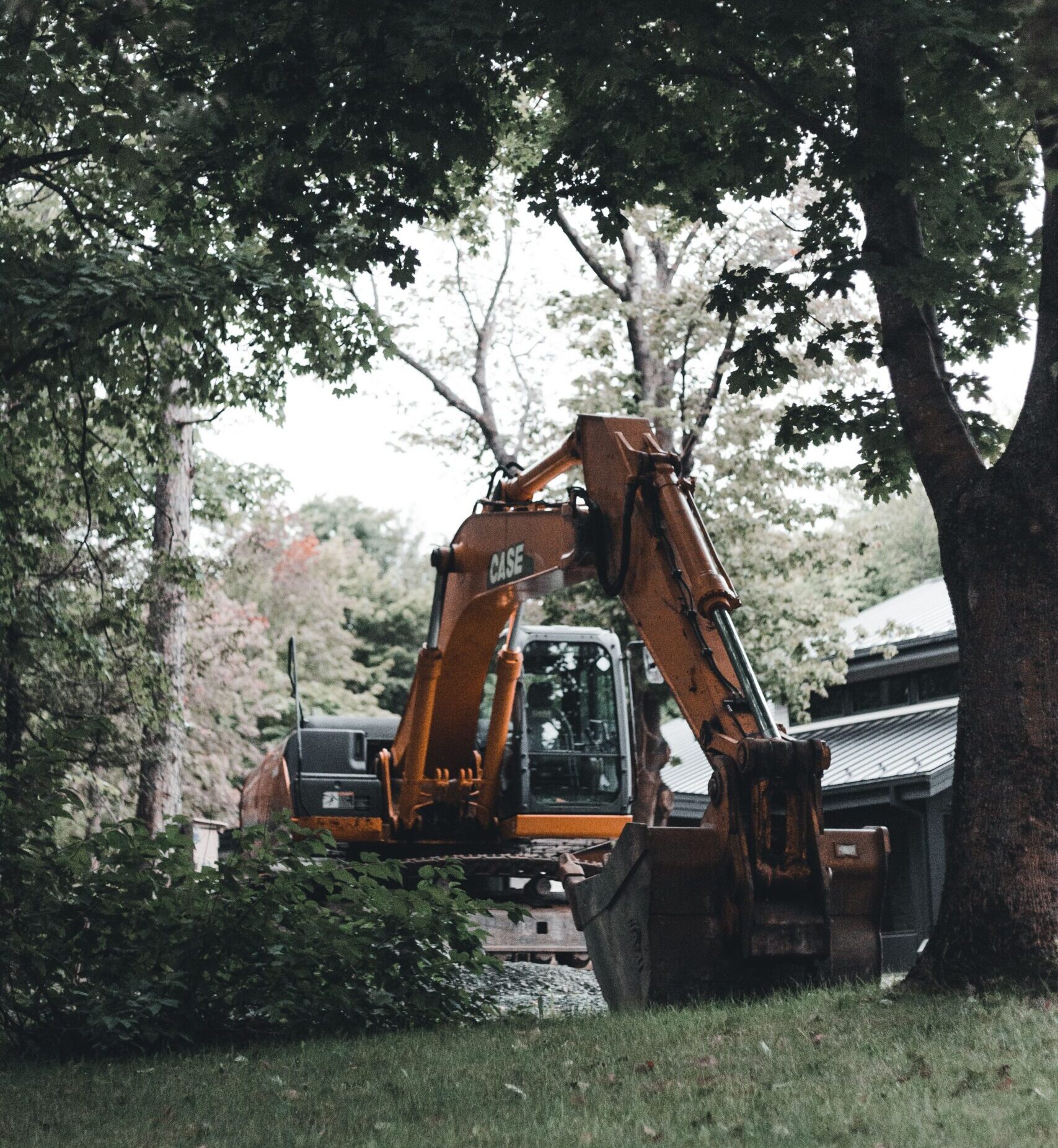
Mature trees are often the best feature of a property, and construction is one of the fastest ways to lose them. A new addition, driveway, pool, or home on a wooded lot can destroy a tree’s root system without a single branch being touched. Worse, the damage rarely shows up right away. Trees often decline over several years, long after the crew has gone.
Tree protection begins before the first piece of equipment arrives. This guide explains how construction harms trees, what a tree protection zone is, and the steps arborists use to keep trees healthy through a project.
Why Do Trees Struggle After Construction?
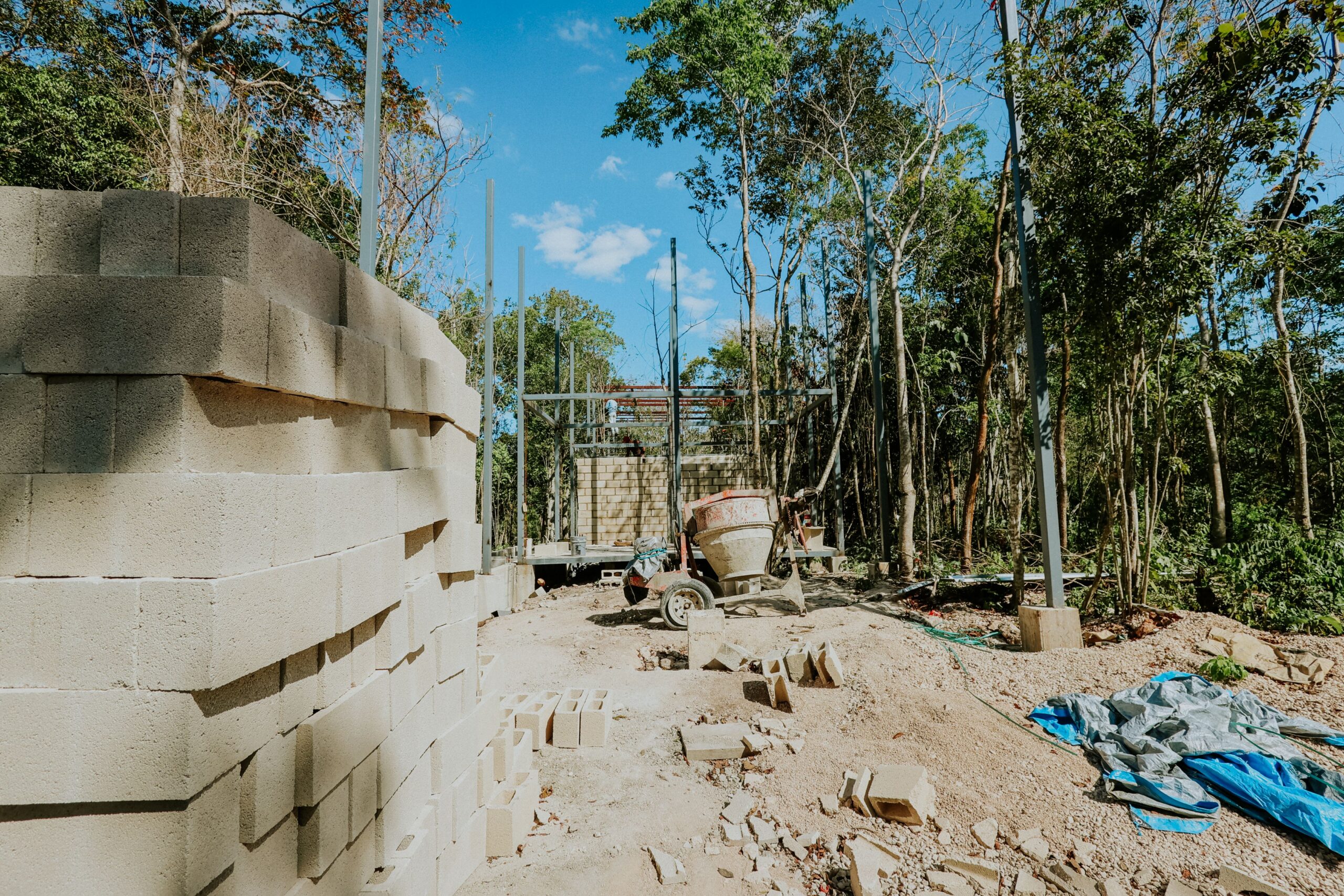
Most people picture a bulldozer hitting a trunk. That happens, but the bigger threat is underground, where no one can see it. Good tree protection is mostly about the roots.
- Soil compaction. Machine traffic squeezes out the air pockets roots need to breathe.
- Root cutting. Trenches, footings, and grading slice through roots that took decades to grow.
- Grade changes. Piling fill over roots smothers them, and scraping soil away removes the layer where most roots live.
- Paving and hardscape. New driveways and patios seal the soil and cut off water and oxygen.
- Spills and washout. Concrete washout, fuel, and paint can poison the root zone.
Construction guidelines note that the fine feeder roots that supply a tree with water and nutrients sit mainly in the top 12 inches of soil, with larger anchoring roots between about 12 and 30 inches. That is exactly the layer that equipment, trenching, and grading disturb first.
What Is a Tree Protection Zone?
A tree protection zone is the area around a tree that stays off limits during construction. Its core is the critical root zone, the volume of soil holding the roots a tree cannot afford to lose.
A common starting rule is one foot of radius for every inch of trunk diameter, measured about four and a half feet above the ground. A 20-inch oak, for example, needs roughly 20 feet of protected space in every direction, a circle 40 feet wide.
Treat that number as a minimum. Arborists adjust it for species, age, health, and site conditions. Some local ordinances and HOAs also set their own tree protection requirements, so check yours before the design is final.
Tree Protection During Construction: 7 Steps
1. Bring In an Arborist Before the Plans Are Final
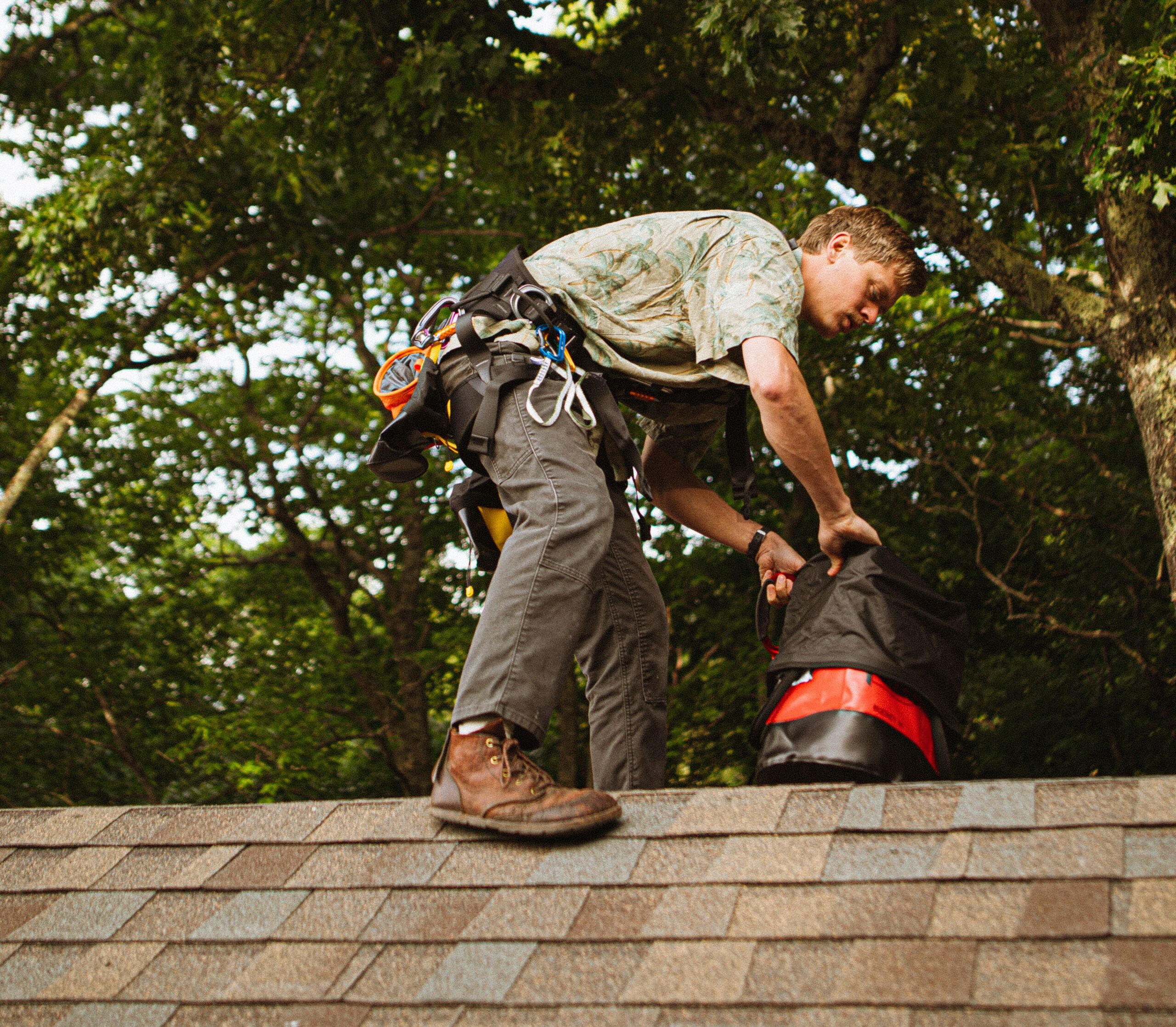
The best time to plan tree protection is before the design is locked. A certified arborist can complete a tree site inventory that maps, measures, and rates every significant tree, so the building footprint, driveway, and utilities can be placed around the best ones. Early tree protection planning is far cheaper than treating a declining tree later. Ongoing arborist consulting during the project keeps those decisions on track.
2. Decide Which Trees Are Worth Saving
Not every tree is a good candidate. Arborists weigh species, health, structure, age, and how close the tree is to the planned work. Some species tolerate root disturbance better than others; mature white oaks and hickories, for example, tend to be sensitive. Honest tree protection decisions start here. Saving a poor candidate wastes money, and a hazardous tree near a new structure is better removed before construction than after.
3. Fence the Zone Before Equipment Arrives
Sturdy fencing at the edge of the protection zone is the most effective tree protection tool on any site. Use staked chain-link or similar rigid fencing, not orange netting that a loader can push aside. Post signs, and leave the fence up until the very end of the project.
If equipment will pass near the canopy, have branches pruned for clearance beforehand rather than letting machinery tear them off.
4. Keep Equipment, Materials, and Waste Out
Inside the fence, nothing goes on or over the roots. That means no:
- Parking or driving
- Storing materials, soil, or equipment
- Dumping concrete washout, paint, solvents, or fuel
- Burning debris
Crews move fast and forget. Walk the site with the contractor at the start and explain why the fence matters.
5. Plan Utilities and Trenches Around the Roots
Utility trenches are among the worst offenders. Where possible, route lines outside the protection zone. When they must pass through, tunneling or boring beneath the roots, or using an air spade to expose them before digging, does far less harm than a trencher. Good tree protection also means respecting what lies below the surface, and our tree root management team can help when roots and structures need to coexist.
6. Protect the Soil Itself
Keep the existing grade inside the protection zone. Even a few inches of added fill can suffocate roots. Spread two to four inches of wood chip mulch inside the fence to cushion the soil and hold moisture, and where traffic is unavoidable, lay temporary matting to spread the load. Keep soil and mulch off the trunk itself.
7. Water, Monitor, and Follow Up
Construction stress leaves trees vulnerable to drought. During dry stretches, deep watering helps protected trees cope, and most trees want about an inch of water a week in the growing season from rain or irrigation. After the project, have an arborist reassess each tree, prune for deadwood and clearance, and use plant health care to support recovery.
What Should a Tree Protection Plan Include?
A written tree protection plan turns good intentions into instructions every crew can follow. A solid plan typically covers:
- A site map showing each tree to be saved, its size, and its protection zone
- Fencing type, location, and how long it stays in place
- Rules for equipment, materials, and waste near protected trees
- Where utilities and trenches will run, and how roots will be handled
- A watering, mulching, and monitoring schedule for the tree protection period
Sharing the plan with your builder, excavator, and landscaping crew before work begins prevents most of the costly mistakes.
Signs a Tree Is Struggling After Construction
Root damage works slowly, so keep watching over the next one to three growing seasons. Warning signs include:
- A thinning canopy or smaller-than-normal leaves
- Leaf scorch or early fall color in summer
- Dieback in the upper branches
- Leaning, or soil heaving near the base
- Mushrooms or conks growing at the base of the trunk
Our guides to root damage warning signs and signs a tree is dying explain what each of these means. If you notice them, call an arborist early. Trees respond best to treatment before decline is advanced.
When Does Tree Removal Make Sense on a Construction Site?
Saving every tree is not always realistic or wise. Removal makes sense when a tree is structurally unsound, sits inside the building footprint, or would lose too much of its root zone to survive. Taking out trees that cannot be saved before work begins is safer for crews and avoids a hazard later. It also lets you focus tree protection spending on the trees that will thrive. A tree risk assessment confirms which trees pose a danger and which are worth protecting.
Common Questions About Tree Protection
How close can I dig to a tree?
There is no single safe distance, because it depends on trunk diameter, species, and root spread. As a starting point, stay outside the critical root zone and have an arborist approve any work inside it. A tree protection plan spells out exactly where that line sits.
Can I pave or add fill soil over tree roots?
Both are risky. Paving blocks water and oxygen, and fill soil can suffocate roots, even in thin layers. If it cannot be avoided, an arborist can recommend permeable materials and design changes that reduce the harm.
Does tree protection matter for HOAs and commercial properties?
Yes. Protecting mature trees preserves canopy and property value, and many municipalities and HOAs require a tree protection plan for development. Urban Tree provides construction tree management for builders, developers, property managers, and municipalities across the Chattanooga region.
Plan Your Tree Protection Before the Project Begins
Fall is a good time to get ahead of a winter or spring project. A tree inventory and protection plan now means the right trees are fenced and the right decisions are made before the ground is broken.
If you are planning an addition, driveway, pool, or full build, bring in an arborist early. Urban Tree’s certified arborists help homeowners, builders, and property managers in Chattanooga, Signal Mountain, Lookout Mountain, Hixson, Ooltewah, and surrounding communities. Contact us for a free estimate, or call 423.322.9236. You can learn more about Urban Tree too.